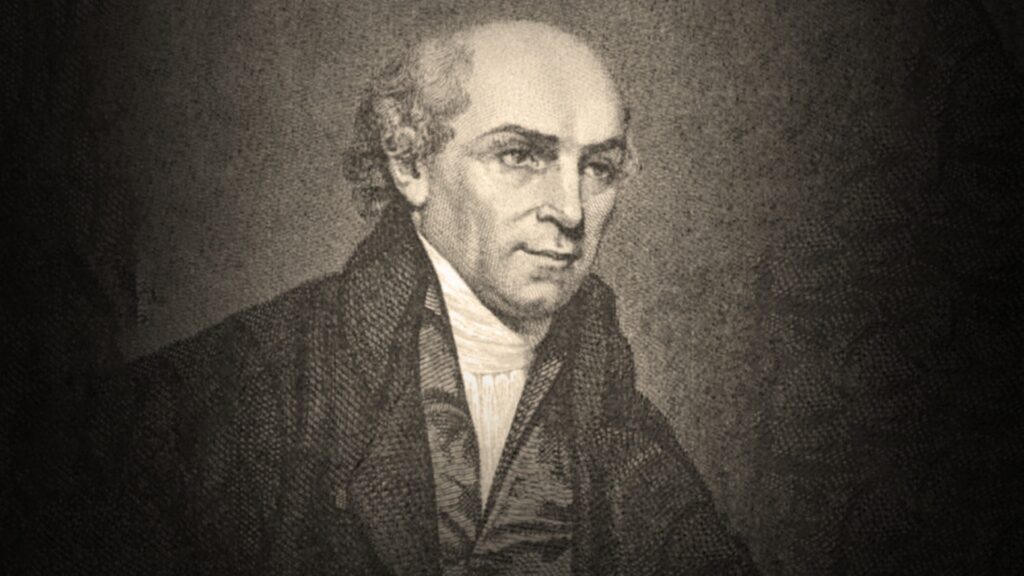
English Christian missionary, Particular Baptist minister, translator, social reformer, and cultural anthropologist William Carey | Hero Of Faith (17 August 1761–9 June 1834) established the Serampore Mission Press and the first degree-awarding university in India, Serampore College. In 1793 he arrived in Calcutta (Kolkata), but non-Baptist Christian missionaries drove him from the British Indian region. He travelled to Serampore with the Baptist missionaries from Denmark’s colony known as Frederiksnagore. Starting schools for underprivileged youngsters where they were taught reading, writing, accounting, and Christianity was one of his first gifts. Opening the first theological university in Serampore with divinity degrees, he battled against the sati custom. One person credited with founding modern missions is Carey. The Baptist Missionary Society began life from his work, An Enquiry into the Obligations of Christians to Use Means for the Conversion of the Heathens. The Asiatic Society praised Carey for “his outstanding services in opening the stores of Indian literature to the knowledge of Europe and for his great acquaintance with the science, the natural history, and the botany of this country and his useful contributions in every branch.” He translated the Bible into Bengali, Punjabi, Oriya, Assamese, Marathi, Hindi, and Sanskrit and the Hindu classic, the Ramayana, into English. One has heard of William Carey as a reformer and outstanding Christian missionary.
Early life
Born in the hamlet of Pury End in the parish of Paulerspury, Northamptonshire, Edmund and Elizabeth Carey, who were weavers by trade, welcomed William Carey | Hero Of Faith as the eldest of five children. William grew up in the Church of England; his father was appointed the parish clerk and local schoolmaster when he was six. Growing up, he was naturally curious about the natural sciences—especially botany. He taught himself Latin and had a natural knack for languages. At fourteen, Carey’s father apprenticed him to a cordwainer in the neighboring Piddington, Northamptonshire. Although another pupil, John Warr, was a Dissenter, his professor, Clarke Nichols, was a churchman much like him. Under his influence, Carey would leave the Church of England and join other Dissenters to establish a tiny Congregational church close by at Hackleton. Apprenticed to Nichols, he also taught himself Greek using Thomas Jones, a nearby weaver with a classical background. Following Nichols’s death in 1779, Carey worked for the nearby shoemaker, Thomas Old; he married Dorothy Plackett, Old’s sister-in-law, in 1781 at the Church of St. John the Baptist, Piddington. Dorothy was uneducated, unlike William; her marriage registration shows a simple cross. William and Dorothy Carey had seven children, five sons and two daughters; both girls passed away in infancy; also, son Peter passed away at the age of five. Soon afterward, Thomas Old passed away; Carey took over his company and educated himself in Hebrew, Italian, Dutch, and French, usually reading while working on the shoes. Carey called himself a cobbler and admitted his modest background. John Brown Myers titled his biography of Carey William Carey Carey William Carey: The Shoemaker Who Became the Father and Founder of Modern Missions.William Carey | Hero Of Faith
Founding of the Baptist Missionary Society
Carey got connected with a recently established local association of Particular Baptists, where he met men like John Ryland, John Sutcliff, and Andrew Fuller, who would later on prove to be close friends. Every other Sunday, they asked him to preach in their church in the adjacent village of Earls Barton. Ryland baptized William Carey on October 5, 1783, and he pledged himself to the Baptist denomination. Grant’s portrait sketch from Colesworthy Grant Carey was assigned the village of Moulton’s schoolmaster in 1785. He was also asked to be pastor to the nearby Baptist church. Reading Jonathan Edwards’ Account of the Life of the Late Rev. David Brainerd and the journals of the adventurer James Cook at this period made him grow worried about spreading the Christian Gospel everywhere.David Livingstone David Brainerd (1718–47) and John Eliot (c. 1604–21 May 1690), Puritan missionaries in New England, were Carey’s “canonized heroes” and “enkindlers.” Carey started serving Harvey Lane Baptist Church in Leicester full-time in 1789. He first presented his revolutionary missionary manifesto, An Enquiry into the Obligations of Christians to Employ Means for the Conversion of the Heathens, three years later in 1792. This little book comes in five sections. Arguing that the charge of Jesus to make disciples of all the world (Matthew 28:18–20) remains binding on Christians, the first section offers a theological basis for missionary effort. Beginning with the early Church and on through David Brainerd and John Wesley, the second section details a history of missionary activity. Comprising 26 pages of tables, listing area, population, and religion statistics for every nation on Earth, Part 3 Over his years as a schoolteacher, Carey had accumulated these numbers. The fourth section addresses concerns about sending missionaries, including linguistic difficulties or danger to life. At last, the fifth section addresses the development by the Baptist denomination of a missionary society and the pragmatic ways in which it might be funded. Carey’s classic book lays his foundation for missions: Christian obligation, sensible use of resources, and correct knowledge. [citation required]William Carey | Hero Of Faith.
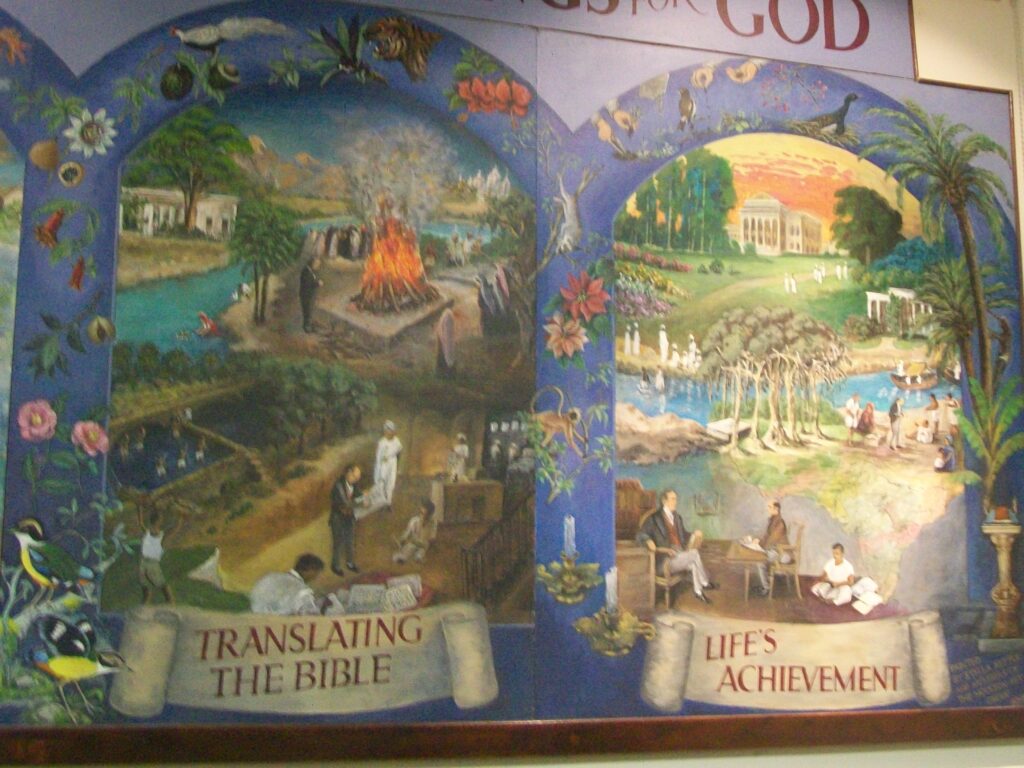
Later, citing Isaiah 54:2–3 as his source, Carey presented a pro-missionary sermon (the Deathless Sermon), often using the epigram that has become the most well-known quotation. Expect great things from God; try great things for him. Finally overcoming the opposition to missionary activity, the Particular Baptist Society for the Propagation of the Gospel Amongst the Heathen (later the Baptist Missionary Society and since 2000 BMS World Mission) was established in October 1792 with Carey, Andrew Fuller, John Ryland, and John Sutcliff among the charter members. They then focused on pragmatic issues, including fundraising and choosing where to concentrate their efforts. Dr. John Thomas, a medical missionary in Calcutta, was in England soliciting money; they decided to help him and that Carey would travel with him to India.William Carey | Hero Of Faith.
William Carey Missionary life in India
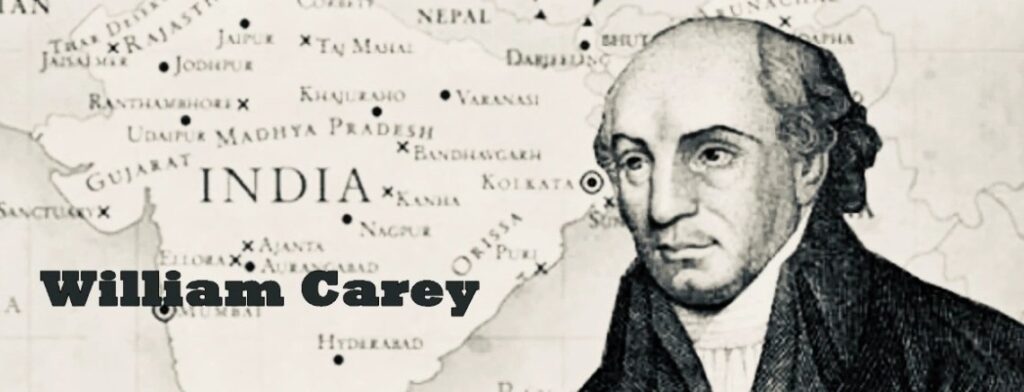
Carey, his eldest son Felix, Thomas, and his wife and daughter sailed from London aboard a British ship in April 1793. Dorothy Carey had refused to leave England, being pregnant with their fourth son and having never been more than a few miles from home, but before they left, they asked her again to come with them, and she gave consent, with the knowledge that her sister Kitty would help her give birth. En route they were delayed at the Isle of Wight, at which time the captain of the ship received word that he endangered his command if he conveyed the missionaries to Calcutta, as their unauthorized journey violated the trade monopoly of the British East India Company. He decided to sail without them, and they were delayed until June, when Thomas found a Danish captain willing to offer them passage. In the meantime, Carey’s wife, who had by now given birth, agreed to accompany him provided her sister came as well. They landed at Calcutta in November. During the first year in Calcutta, the missionaries sought means to support themselves and a place to establish their mission. They also began to learn the Bengali language to communicate with others. A friend of Thomas owned two indigo factories and needed managers, so Carey moved with his family west to Midnapore. During the six years that Carey managed the indigo plant, he completed the first revision of his Bengali New Testament and began formulating the principles upon which his missionary community would be formed, including communal living, financial self-reliance, and the training of indigenous ministers. His son Peter died of dysentery, which, along with other causes of stress, resulted in Dorothy suffering a nervous breakdown from which she never recovered. William Carey | Hero Of Faith Meanwhile, the missionary society had begun sending more missionaries to India. The first to arrive was John Fountain, who arrived in Midnapore and began teaching. He was followed by William Ward, a printer; Joshua Marshman, a schoolteacher; David Brunsdon, one of Marshman’s students; and William Grant, who died three weeks after his arrival. Because the East India Company was still hostile to missionaries, they settled in the Danish colony in Serampore and were joined there by Carey on 10 January 1800.
Father of Modern Missions Late Indian period
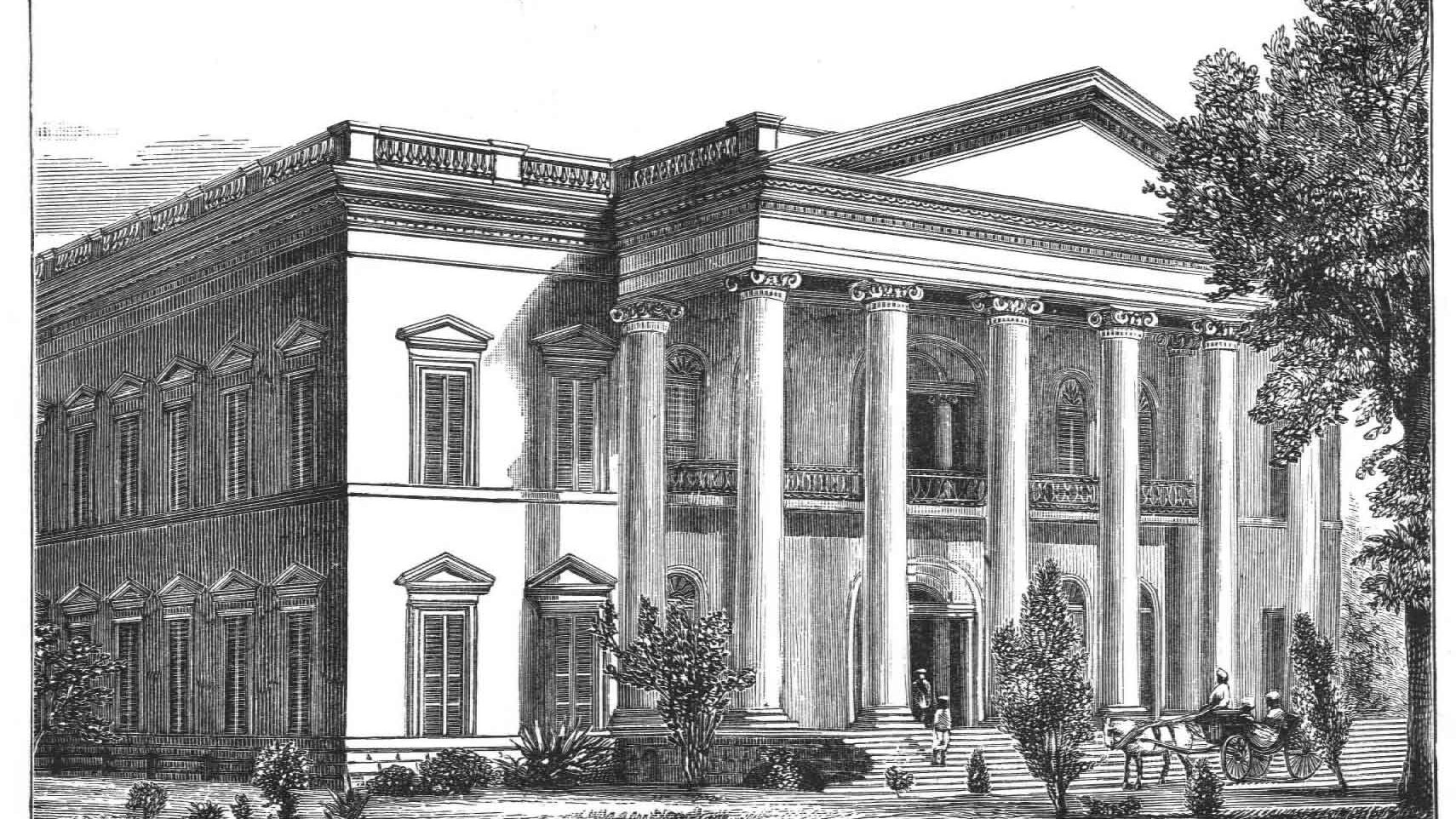
After establishing themselves in Serampore, the mission purchased a large house that could accommodate their families and serve as a school, which would be their main source of support. Ward set up a printing shop with a secondhand press that Carey had obtained and commenced the work of printing the Bible in Bengali. In August 1800, Fountain passed away due to dysentery. By the conclusion of that year, the mission celebrated its first conversion, a Hindu named Krishna Pal. They also gained the favor of the local Danish authorities and Richard Wellesley, who was then the Governor-General of India. In May 1799, William Ward along with Hannah and Joshua Marshman arrived from England to join Carey in his endeavors. The three men became collectively known as the Serampore trio. Converting Hindus to Christianity raised new questions for the missionaries about whether converts should maintain their caste. In 1802, Krishna Pal’s daughter, a Sudra, married a Brahmin, which publicly illustrated the church’s disavowal of caste distinctions. Brunsdon and Thomas passed away in 1801. That same year, the Governor-General established Fort William College, meant to educate civil servants, and offered Carey a role as a professor of Bengali. Among his colleagues at the college were pundits, whom he turned to for help in correcting his Bengali scripture. One such colleague, Madan Mohan, taught him Sanskrit. Carey also wrote grammars for both Bengali and Sanskrit while beginning a translation of the Bible into Sanskrit. He used his influence with the Governor-General to help halt the practices of infant sacrifice and suttee after consulting with pundits and finding that these practices had no foundation in Hindu sacred texts (though the latter practice would not be abolished until 1829). Dorothy Carey passed away in 1807. Due to her severe mental breakdown, she had long ceased to function effectively within the mission, and her condition became an added burden. John Marshman noted that Carey continued his studies and translations, “…while an insane wife, often worked up to a state of the most distressing excitement, was in the next room…”. Numerous friends and associates pressed William to place Dorothy in an asylum, but he shied away from the idea due to concerns about the treatment she would face there and chose to care for her at home, even as the children had to endure her outbursts. In 1808, Carey remarried. William Carey | Hero Of FaithHis new wife, Charlotte Rhumohr, a Danish member of his church, was, unlike Dorothy, an intellectual match for him. They remained married for 13 years until her passing.
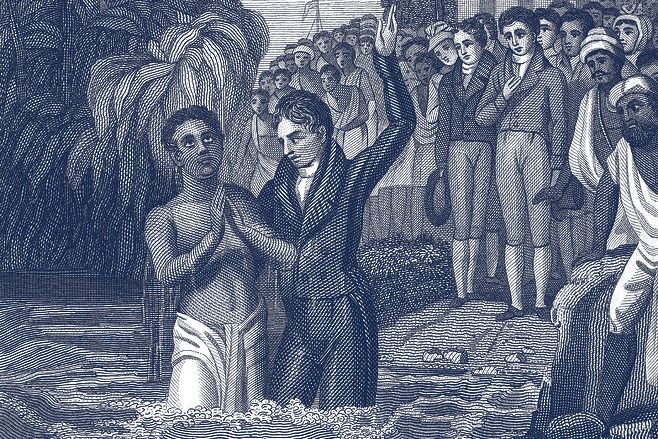
From the mission’s printing press emerged translations of the Bible in Bengali, Sanskrit, and various other significant languages and dialects. Many of these languages had not been printed previously; William Ward crafted the type punches by hand. Carey began translating literary and sacred texts from original Sanskrit into English to make them available to people in his homeland. On March 11, 1812, a fire in the print shop resulted in £10,000 worth of damage and lost material. Among the destroyed items were numerous irreplaceable manuscripts, including a substantial portion of Carey’s Sanskrit literature translation and a multilingual dictionary of Sanskrit and related languages that would have been an important philological work if finished. Nevertheless, the printing press and the punches were saved, enabling the mission to resume printing within six months. During Carey’s lifetime, the mission printed and circulated the Bible in whole or in part across 44 languages and dialects. Additionally, in 1812, Adoniram Judson, an American Congregational missionary traveling to India, examined scripture on baptism to prepare for a meeting with Carey. His studies resulted in his conversion to Baptist beliefs. Carey’s encouragement for American Baptists to take over Judson’s mission support led to the establishment in 1814 of the first American Baptist Mission board, known as the General Missionary Convention of the Baptist Denomination in the United States of America for Foreign Missions, which later became commonly referred to as the Triennial Convention. Most current American Baptist groups can trace their roots back to this convention. In 1818, the mission established Serampore College with the aim of training local ministers for the burgeoning church and offering education in the arts and sciences to all individuals, irrespective of caste or nationality. In 1827, Frederick VI, King of Denmark, granted a royal charter that allowed the college to confer degrees, making it the first such institution in Asia. In 1820, Carey established the Agri Horticultural Society of India in Alipore, Calcutta, fueled by his passion for botany. When William Roxburgh took a leave of absence, Carey was given the responsibility of overseeing the Botanical Garden in Calcutta. The genus Careya was named to honor him. The standard author abbreviation Carey is employed to reference him when citing a botanical name. Carey’s second wife, Charlotte, passed away in 1821, followed by the death of his eldest son, Felix. In 1823, he remarried, this time to a widow named Grace Hughes. Internal strife and dissatisfaction surged within the Missionary Society as its membership grew, older missionaries passed away, and they were succeeded by less seasoned individuals. Some newcomers resisted the established communal living arrangements, one even insisting on having “a separate house, stable, and servants.” Unfamiliar with the diligent work ethic of Carey, Ward, and Marshman, the new missionaries perceived their senior colleagues—especially Marshman—as authoritarian, assigning them tasks that did not appeal to them. Andrew Fuller, who had served as the Society’s secretary in England, died in 1815, and his successor, John Dyer, was a bureaucrat who tried to reorganize the Society for business efficiency, managing all aspects of the Serampore mission from England. Their disagreements were ultimately irreconcilable, leading Carey to formally cut ties with the missionary society he had founded, relinquishing the mission property and relocating to the college grounds. He led a quiet existence until his passing in 1834, revising his Bengali Bible, preaching, and educating students. The couch on which he died on June 9, 1834, is now preserved at Regent’s Park College, the Baptist hall of the University of Oxford.
Father of Modern Missions Life in India
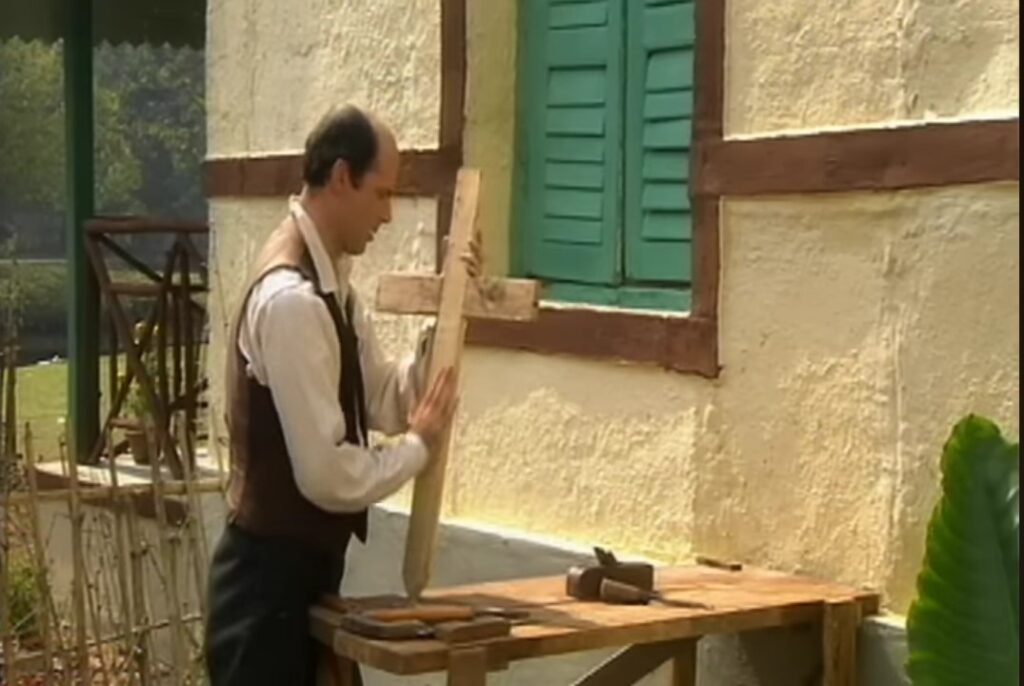
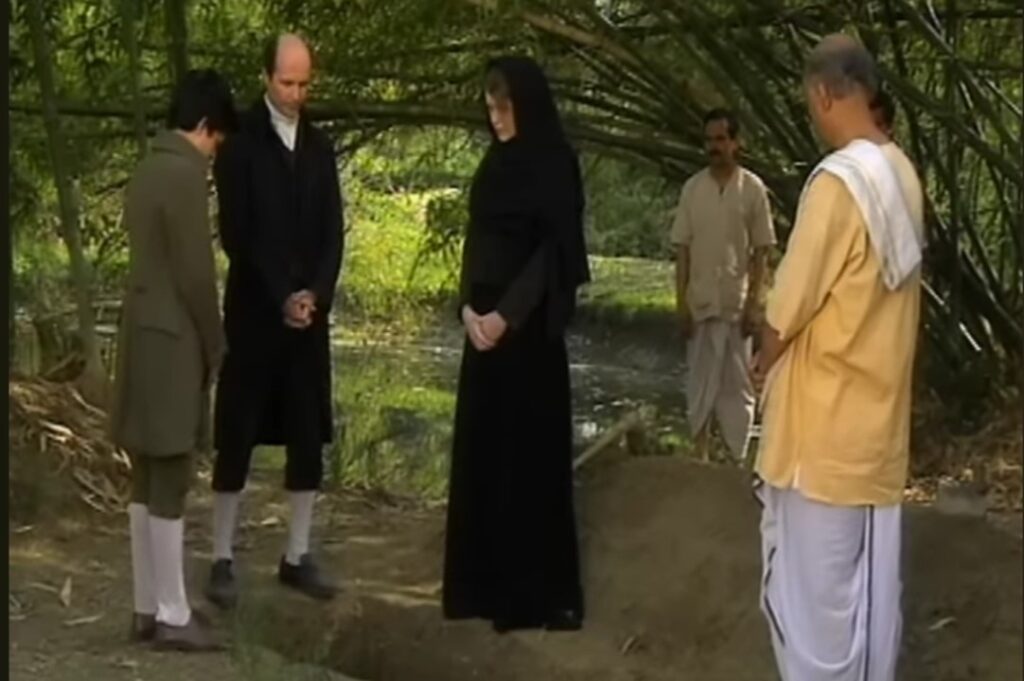
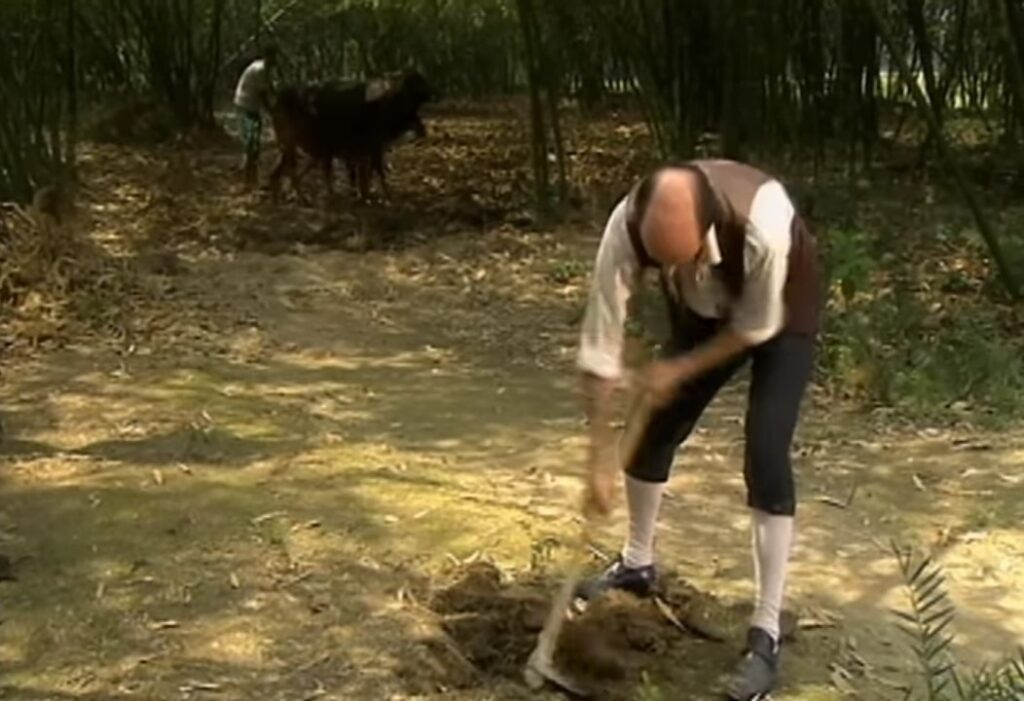
Much of the information about Carey’s work in India comes from missionary reports sent back to their home countries. Historians like Comaroffs, Thorne, Van der Veer, and Brian Pennington emphasize that the representation of India in these accounts needs to be understood within their context, taking into account their evangelical and colonial ideologies. Carey’s reports were influenced by his background, personal experiences, and his religious convictions. The critical observations and notes from Carey and his colleague William Ward emerged from a community beset by severe poverty and epidemics, and they shaped their perspective on Indian culture and Hinduism to align with their missionary objectives. These accounts originated from individuals committed to foreign missionary efforts, detailing experiences from outsiders who faced resentment from both the local Indian population and European officials, as well as rival Christian denominations. Their portrayals of culture and Hinduism were molded in Bengal, a challenging environment both physically and spiritually for preaching. Pennington encapsulates the reports from Carey and his colleagues by noting that, burdened with concerns over their health, frequently reminded of colleagues who had perished or lost their sanity, uncertain about their own status, and preaching to audiences whose responses varied from apathy to ridicule to hostility, missionaries expressed their deeper fears through what can be seen as part of their complex legacy: a distorted image of Hinduism consumed by violence and devoted to malevolent forces. Carey urged his fellow Anglo-Indians to study and interpret Sanskrit in a way that aligned with colonial interests, stating that “to persuade those who are thus misled, it is essential for them to feel that the speaker possesses superior knowledge of the topic.” In the view of Indian historian V. Rao, Carey exhibited a lack of tolerance, understanding, and respect for Indian culture, describing Indian music as “disgusting” and evoking practices that he found “dishonorable” to God. Such attitudes influenced the writings produced by Carey and his peers.
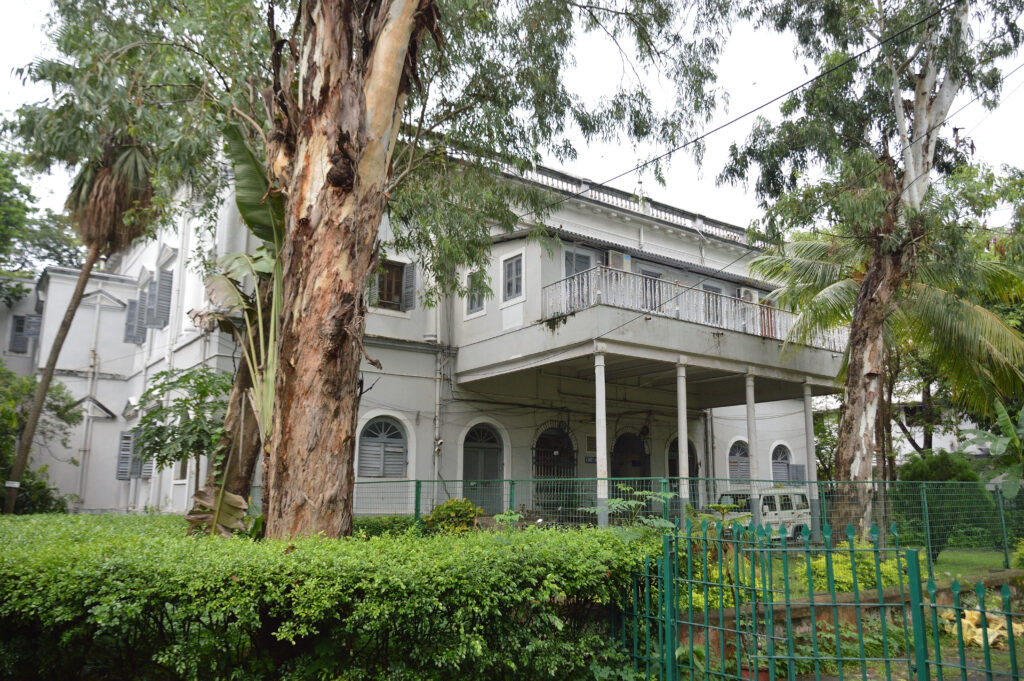
William Carey | Hero Of Faith Death
William Carey, an influential English missionary and one of the key figures in the modern missionary movement, died on June 9, 1834, in Serampore, India, at the age of 72. He devoted more than forty years of his life to evangelizing, advancing education, and translating the Bible into multiple Indian languages. Despite encountering many obstacles, including the loss of loved ones, health challenges, and resistance from the local culture, Carey remained committed to his purpose. He worked diligently as not only a preacher but also a linguist, educator, and social reformer. At the time of his passing, Carey had contributed to the establishment of schools, a printing press, and Serampore College, leaving an enduring legacy in India. He was interred in the Serampore Mission Cemetery, where his grave continues to serve as a testament to his dedicated service and faith throughout his life.
2 Responses