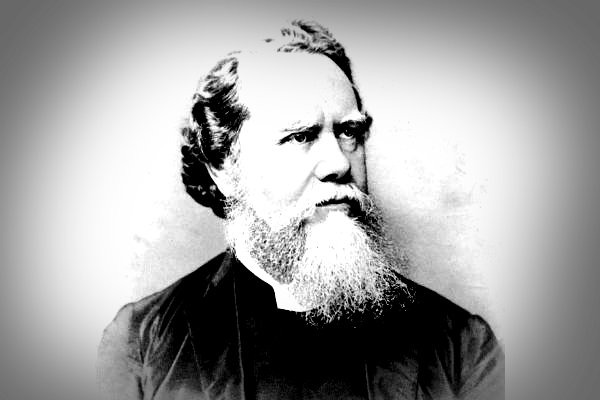
Hudson Taylor | Hero Of Faith
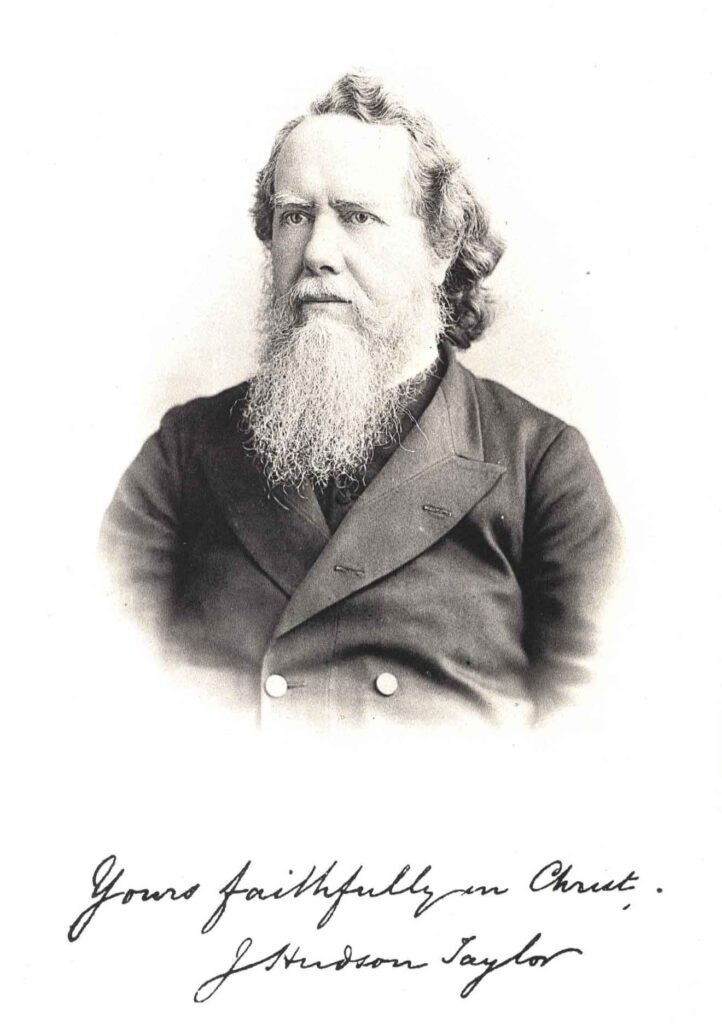
James Hudson Taylor, born on 21 May 1832 and passed away on 3 June 1905, was a British Protestant Christian missionary in China and the founder of the China Inland Mission. Taylor dedicated 54 years to his work in China. The organization he initiated facilitated the arrival of over 800 missionaries to the nation, established 125 schools, directly led to 20,000 conversions to Christianity, and set up more than 300 workstations staffed by over 499 local assistants across all 18 provinces. He was recognized for his respect for Chinese culture and his passion for evangelism, opting to wear traditional Chinese attire, which was uncommon for missionaries during his era. Under his guidance, the CIM functioned in a distinctly non-denominational manner, welcoming members from all Protestant backgrounds, including working-class individuals, single women, and international recruits. Taylor has been acknowledged as one of the most impactful Europeans to visit China in the 19th century, especially due to the CIM’s campaigns against the opium trade. Historian Ruth Tucker encapsulates his life’s theme by stating, “No other missionary in the nineteen centuries following the Apostle Paul has possessed a broader vision and executed a more organized strategy for evangelizing a vast geographical region than Hudson Taylor.” Taylor was proficient in various forms of Chinese, including Mandarin, Chaozhou, and the Wu dialects spoken in Shanghai and Ningbo. He was familiar enough with the last dialect to assist in preparing a colloquial version of the New Testament in that language. faith and missions
Youth and early work
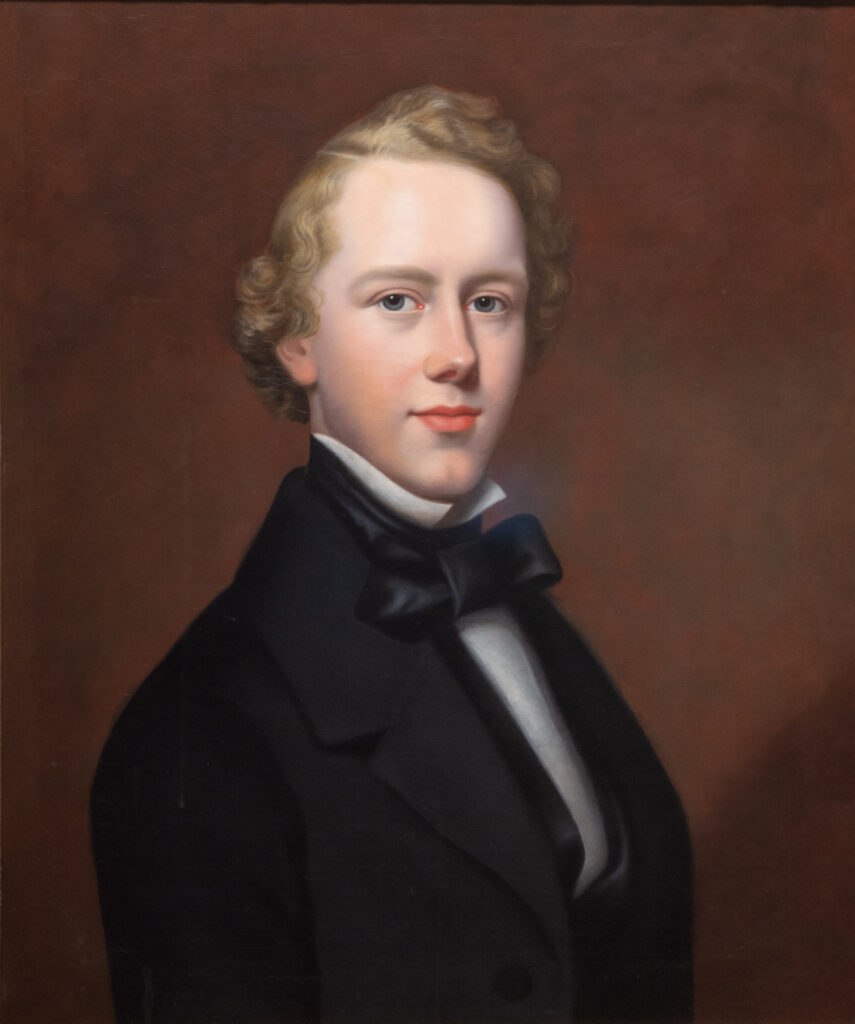
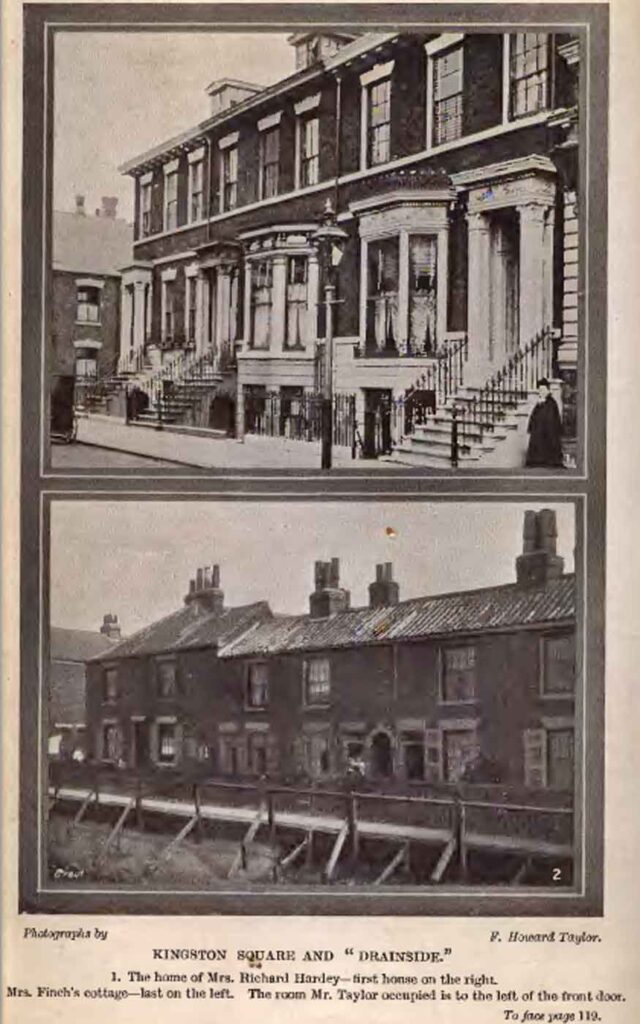
Taylor was born on May 21, 1832, in Barnsley, Yorkshire, to James Taylor, a chemist (pharmacist) and Methodist lay preacher, and his wife, Amelia (Hudson). However, during his youth, he began to question the Christian beliefs held by his parents. At the age of 16, after reading an evangelistic pamphlet titled “Poor Richard,” he declared his faith in Christ. In December 1849, he dedicated himself to becoming a missionary in China. During this period, he met Edward Cronin from Kensington, a member of the first Plymouth Brethren missionary group to Baghdad. Taylor borrowed and quickly read a copy of “China: Its State and Prospects” by Walter Henry Medhurst. Around this time, he also started learning Mandarin, Greek, Hebrew, and Latin. In May 1850, he commenced his medical studies. By 1851, he relocated to a disadvantaged area in Kingston upon Hull to work as a medical assistant under Robert Hardey, preparing for a life dedicated to faith and service, focusing on helping the poor, and trusting that God would meet his needs. He engaged in distributing gospel tracts and preaching in open-air settings. In 1852, he was baptized by Andrew John Jukes of the Plymouth Brethren at the Hull Brethren Assembly and persuaded his sister Amelia to undergo adult baptism as well. In the same year, he began his medical education at the London Hospital Medical College in Whitechapel, London, in preparation for his mission in China. The heightened interest in China in England, spurred by the civil war—which was mistakenly believed to be a widespread movement towards Christianity—along with the overly optimistic reports from Karl Gützlaff about China’s openness, contributed to the establishment of the Chinese Evangelization Society, to which Hudson Taylor volunteered as their first missionary.Hudson Taylor | Hero Of Faith
First visit to China
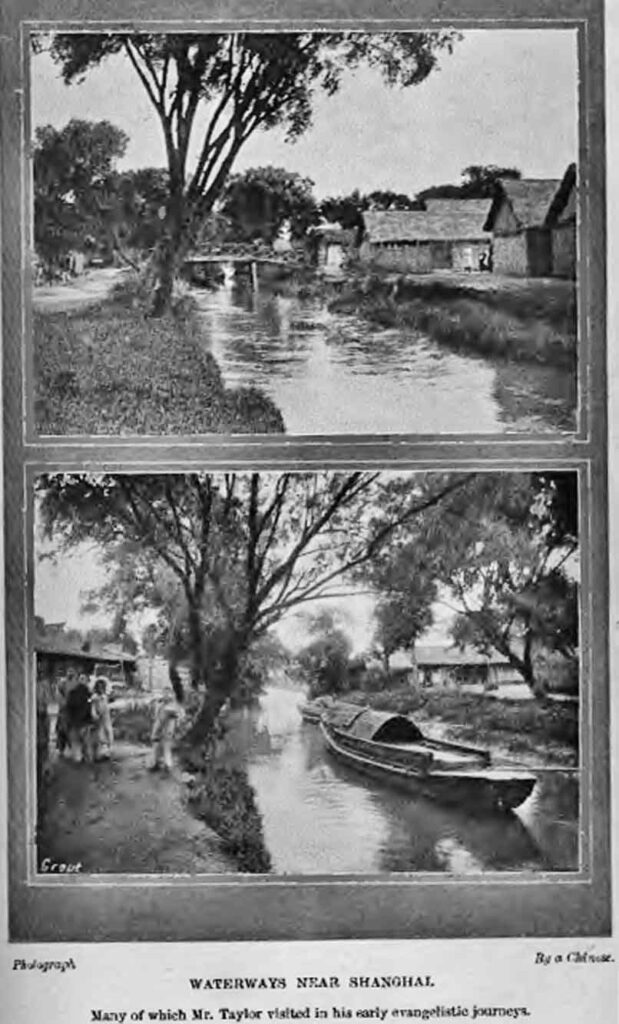
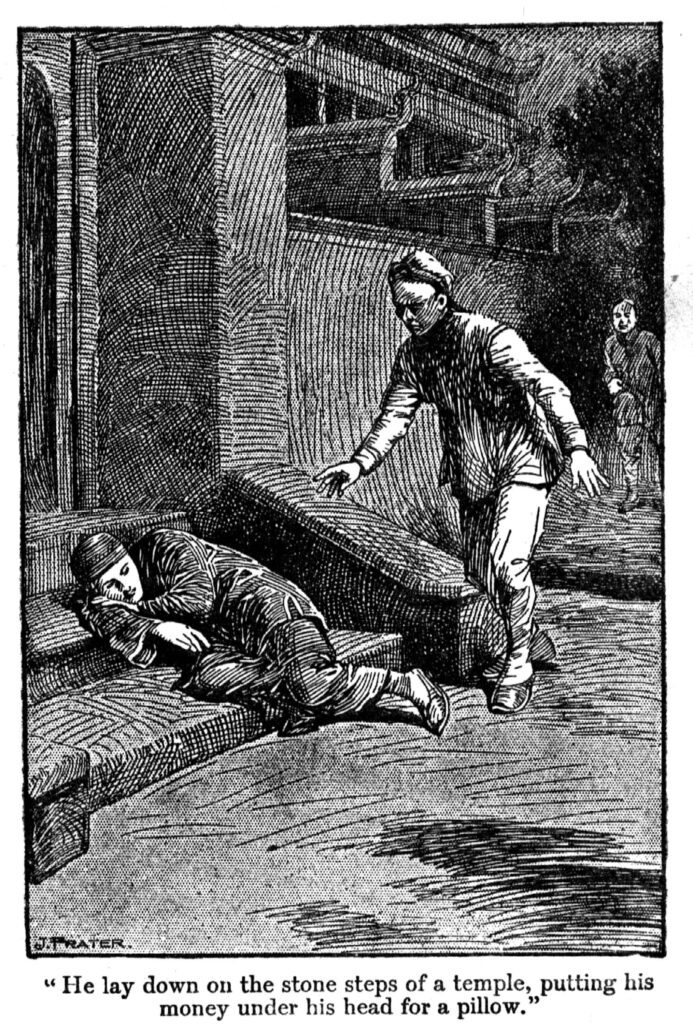
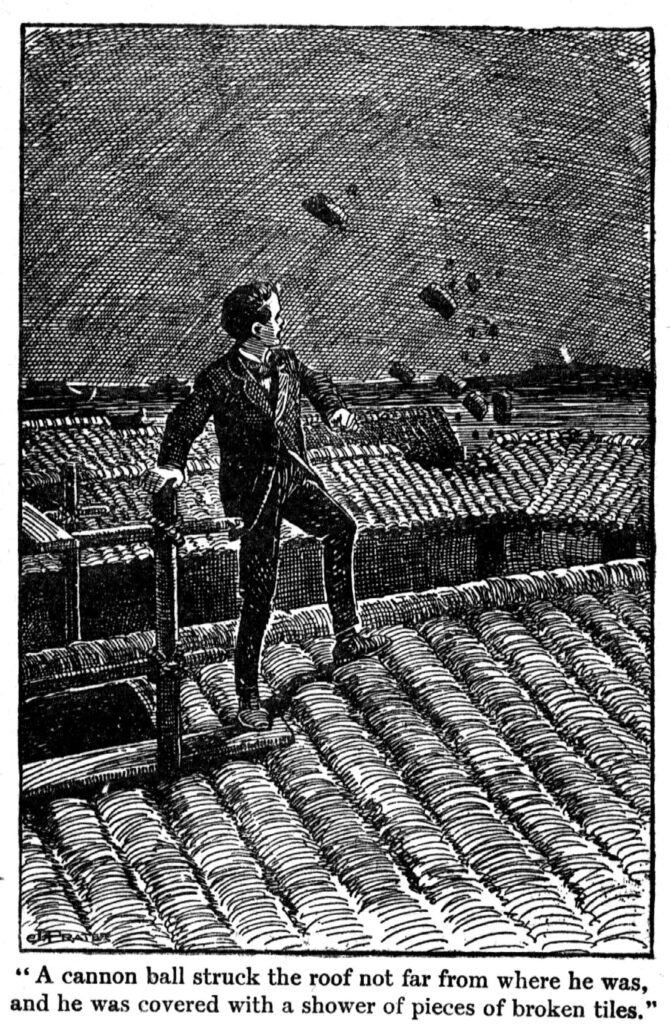
Taylor departed from England on September 19, 1853, as an agent for the Chinese Evangelization Society, before finishing his medical education. He left Liverpool and reached Shanghai on March 1, 1854. The nearly catastrophic journey on the clipper Dumfries, which took an easterly route near Buru Island, lasted around five months. Upon arriving in China, he was immediately confronted with civil war, which threw his first year into chaos. Starting in 1855, Taylor undertook 18 preaching tours in the Shanghai area, often facing a lukewarm reception from the locals, despite bringing medical supplies and expertise. He decided to wear traditional Chinese attire, including a queue (pigtail) and a shaved forehead, which allowed him to gain access to audiences without causing a stir. Before this change, he had been labeled a “black devil” due to his overcoat. He distributed thousands of Chinese Gospel tracts and portions of Scripture throughout Shanghai. During his time there, he also took in and cared for a Chinese boy named Hanban. faith and missions Scottish evangelist William Chalmers Burns, associated with the English Presbyterian Mission, began his work in Shantou, and for a time in 1855-56, Taylor collaborated with him. After their partnership ended, Taylor discovered that all his medical supplies stored in Shanghai had been lost in a fire. In October 1856, while traveling across China, he was robbed of nearly all his possessions. By 1857, after relocating to Ningbo, Taylor received a letter from the supportive George Müller, which prompted him and his colleague John Jones to resign from the troubled mission board that had sent them. They chose to work independently, establishing what became known as the “Ningbo Mission.” Four Chinese men joined their efforts: Ni Yongfa, Feng Ninggui, Wang Laijun, and Qiu Guogui. In 1858, Taylor married Maria Dyer, the orphaned daughter of Reverend Samuel Dyer from the London Missionary Society, who had been a pioneering missionary to the Chinese in Penang, Malaysia. Hudson encountered Maria in Ningbo, where she was employed at a girls’ school managed by Mary Ann Aldersey, one of the pioneering female missionaries to China, and they were wed at the British Consulate there. As a married couple, the Taylors cared for an adopted son named Tianxi while residing in Ningbo. They experienced the loss of their own baby late in 1858. Their first surviving child, Grace, was born in 1859. Shortly after her birth, the Taylors assumed full responsibility for the hospital operations in Ningbo that had previously been overseen by William Parker. In a letter to his sister Amelia Hudson Taylor, dated 14 February 1860, he expressed, “If I had a thousand pounds, China should have it—if I had a thousand lives, China should have them.” No! Not China, but Christ. Can we do too much for Him? Can we do enough for such a precious Savior? Due to health issues, Taylor opted to return to England for a furlough with his family in 1860. The Taylors journeyed back to England on the tea clipper Jubilee, accompanied by their daughter, Grace, and a young man named Wang Laijun from the Bridge Street church in Ningbo, who would assist with the Bible translation efforts that would carry on in England.
Family and China Inland Mission
Taylor utilized his time in England to further his efforts alongside Frederick Foster Gough from the Church Mission Society, working on translating the New Testament into a Romanized Ningbo dialect for the British and Foreign Bible Society. In 1862, he earned his diploma (along with a midwifery course) at the Royal London Hospital with the Royal College of Surgeons. With the assistance of Maria, he authored a book titled China’s Spiritual Need and Claims in 1865, which played a crucial role in fostering sympathy for China and attracting volunteers to the mission field, starting in 1862, with James Joseph Meadows being the first. In his book, Taylor expressed, “Oh, for eloquence to plead the cause of China, for a pencil dipped in fire to paint the condition of this people.” He traveled widely across the British Isles, addressing churches and advocating for the needs of China. In his home area, the East End of London, he also provided ministry at Newgate Prison. During this period, he formed a friendship with Charles Spurgeon, who led the Metropolitan Tabernacle and became a steadfast supporter of Taylor. The Taylors welcomed the young Thomas John Barnardo into their home as a potential missionary candidate between 1865 and 1866. faith and missions
Their second child, Herbert, was born in London in 1861. More children followed in the Taylor family: Frederick in 1862, Samuel in 1864, and Jane in 1865, who tragically passed away at birth. On June 25, 1865, in Brighton, Taylor committed himself to God with the intention of establishing a new society aimed at evangelizing the ‘unreached’ inland provinces of China. Shortly thereafter, he co-founded the China Inland Mission (CIM) with William Thomas Berger. Within less than a year, they had welcomed 21 missionaries and raised over £2,000 (approximately £321,500 in 2023). In early 1866, Taylor released the first edition of the Occasional Paper of the China Inland Mission, which later evolved into China’s Millions. The following summary by Taylor became recognized as the foundational values of the CIM, representing a classic outline of future faith missions:
Object. The China Inland Mission was established out of a profound awareness of China’s urgent needs and a sincere desire, driven by the love of CHRIST and the anticipation of His return, to fulfill His command to share the Gospel with every individual. Its goal is, with God’s assistance, to lead the Chinese to a saving understanding of God’s love in CHRIST, employing both itinerant and localized efforts throughout the entirety of China’s interior.
Character. The mission is evangelical and includes members from all major Christian denominations.
Methods. The organization adopted somewhat unconventional and distinctive methods for its operations. It was resolved:
- That suitably qualified candidates for missionary work should be accepted without any denominational restrictions, provided they adhered to sound beliefs in all fundamental truths.
- That all individuals serving as missionaries should rely on God for their material needs, with a clear understanding that the mission does not guarantee any income; and recognizing that, since the mission would not incur debt, it could only support those associated with it as funds became available.
Support. The Mission is entirely funded by the voluntary contributions of the Lord’s followers. The requirements of the work are presented to God through prayer, without any personal requests or collections being permitted. No more is spent than what is received in this manner; incurring debt is viewed as contrary to the principle of complete reliance on God. faith and missions
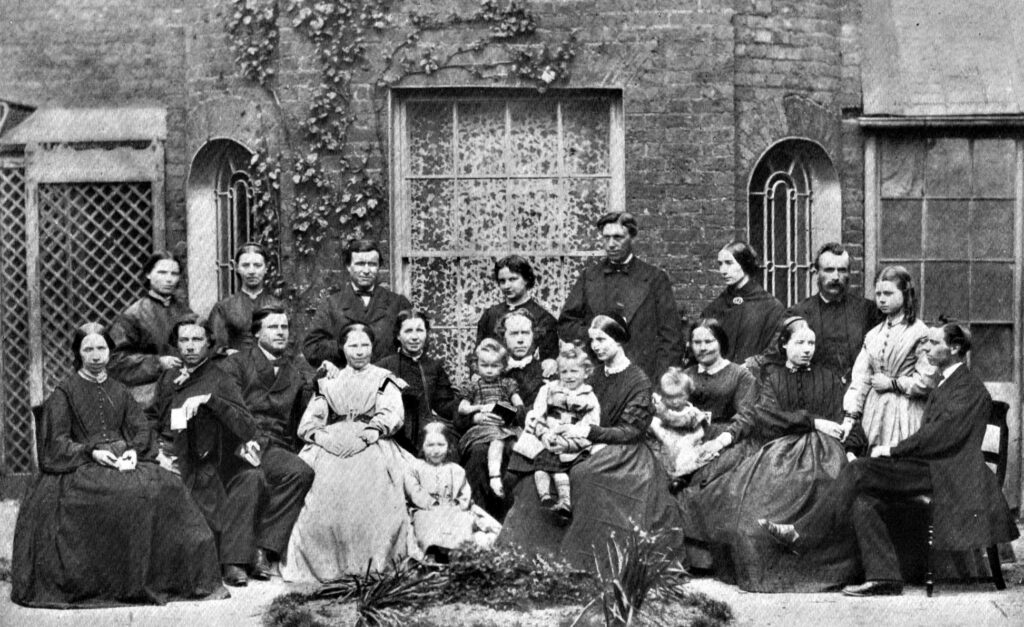
In 1866, he and the missionaries traveled to China. On 26 May 1866, after over five years of service in England, Taylor and his family departed for China with their new missions team, known as “the Lammermuir Party,” aboard the tea clipper Lammermuir. A four-month journey was considered quick for that era. While navigating the South China Sea and the Pacific Ocean, the ship faced near disaster but weathered two typhoons. They reached Shanghai safely on 30 September 1866. Hudson Taylor | Hero Of Faith
Return to China – China Inland Mission
This section requires more citations for verification.
We kindly ask for your assistance in enhancing this article by incorporating citations from trustworthy sources in this section. Any material lacking sources may be questioned and eliminated.The arrival of the largest group of missionaries ever dispatched to China, along with their decision to wear native attire, sparked considerable discussion in the foreign settlement of Shanghai, leading to some criticism directed at the young China Inland Mission. The missionaries, including the women, adopted Chinese clothing, which was considered somewhat scandalous at that time. While other missionaries aimed to maintain their British customs, Taylor believed that the Gospel could only take hold in China if missionaries embraced the local culture of the people they aimed to reach. He cited the Apostle Paul as an example, arguing that in all matters “not sinful,” missionaries should assimilate into Chinese society, “that by all means, we may save some.” They journeyed down the Grand Canal of China to establish the first settlement in the war-ravaged city of Hangzhou. A daughter, Maria Hudson Taylor, was born to them in China. Taylor began to engage in highly sought-after medical work and preached daily under a demanding schedule. Hundreds came to listen and receive treatment. Internal conflicts within the Lammermuir team hindered their effectiveness, but after the death of Taylor’s daughter Grace from meningitis in 1867, they temporarily united and resolved their differences upon witnessing Taylor prioritize the well-being of his fellow missionaries over his own ailing daughter. Many members of the Lammermuir team converted to Christianity. faith and missions
Riot in Yangzhou faith and missions
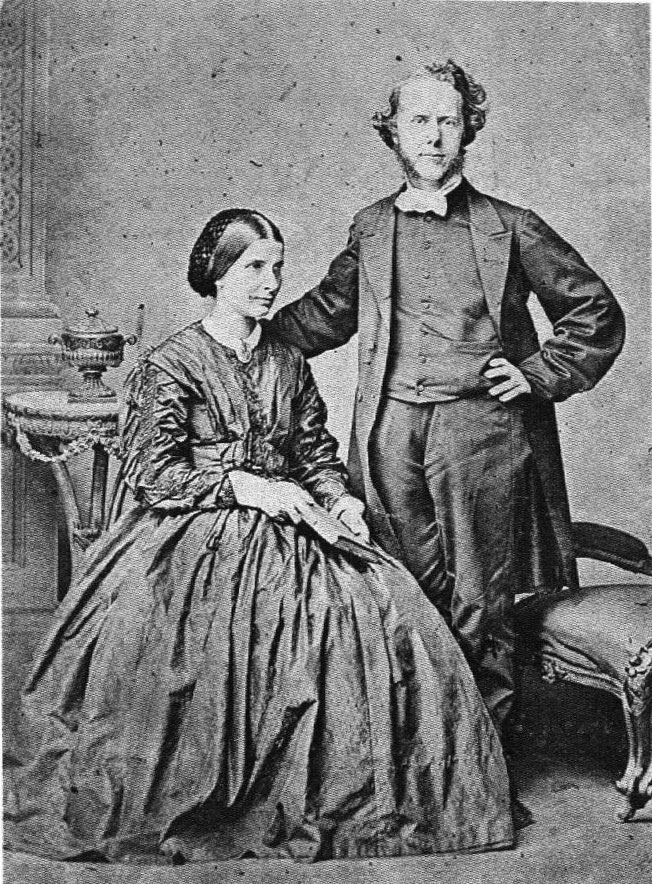
In 1868, the Taylors led a group of missionaries to Yangzhou to initiate a new mission. However, challenges arose that same year when their mission facilities were attacked, looted, and set ablaze during the Yangzhou riot. Fortunately, despite the violence and injuries sustained, there were no fatalities. The international community expressed outrage towards the Chinese for the assault on these British nationals, which led to the arrival of the Royal Navy. This situation resulted in the China Inland Mission and Taylor facing criticism in the British media for nearly instigating a war. Although Taylor never sought military intervention, some members of the British Parliament advocated for ‘the withdrawal of all missionaries from China.’ Nevertheless, the Taylors returned to Yangzhou later that year to resume their work, resulting in many conversions to Christianity. In 1869, Hudson was inspired by a passage on personal holiness from a book titled ‘Christ Is All’ by Henry Law, which was sent to him by fellow missionary John McCarthy. The passage stated: ‘The Lord Jesus received is holiness begun; the Lord Jesus cherished is holiness advancing; the Lord Jesus counted upon as never absent would be holiness complete.’ This newfound understanding of continually abiding in Christ remained with him for the rest of his life. At that time, he was quoted by fellow missionary Charles Henry Judd, expressing, ‘Oh, Mr. Judd, God has made me a new man!’ Later, Taylor distributed ‘How to Live on Christ,’ a booklet by Harriet Beecher Stowe that initially served as an introduction to ‘Religion as it Should Be,’ a book authored by Christopher Dean and published in 1847.
Loss of Maria China Inland Mission
In 1868, another child named Charles was welcomed into the Taylor family. By 1870, Taylor and his wife faced the tough choice of sending their three older surviving children—Bertie, Freddie, and Maria—back to England with their caretaker, Emily Blatchley, after the earlier death of Samuel that same year. In July, Noel was born but tragically passed away from malnutrition and deprivation just two weeks later due to Maria’s inability to nurse him. Shortly after, Maria succumbed to cholera, which profoundly affected Taylor. In 1871, his health began to decline further, prompting his return to England later that year for recuperation and to manage some business matters. Once back in England, Taylor married Jane Elizabeth Faulding, a fellow missionary since 1866. Hudson and ‘Jennie’ made their way back to China in late 1872 aboard the MM Tigre. While in Nanjing, Jennie experienced the heartbreak of giving birth to stillborn twins—a boy and a girl—in 1873. Two years later, the Taylors had to return to England once more due to the passing of the mission secretary and Blatchley. During the winter of 1874 and 1875, Taylor suffered from near paralysis after a fall on a riverboat in China. Despite this debilitating condition, he boldly published a call for 18 new workers to join the mission. Once he regained his strength, Jennie stayed with the children, which included a new son, Ernest Hamilton, a daughter, Amy, and the orphaned daughter of fellow missionary George Duncan. In 1876, Hudson Taylor returned to China, accompanied by the 18 missionaries he had requested. Meanwhile, in England, Benjamin Broomhall, who had married Hudson’s sister Amelia, took on the role of General Secretary of the China Inland Mission. faith and missions
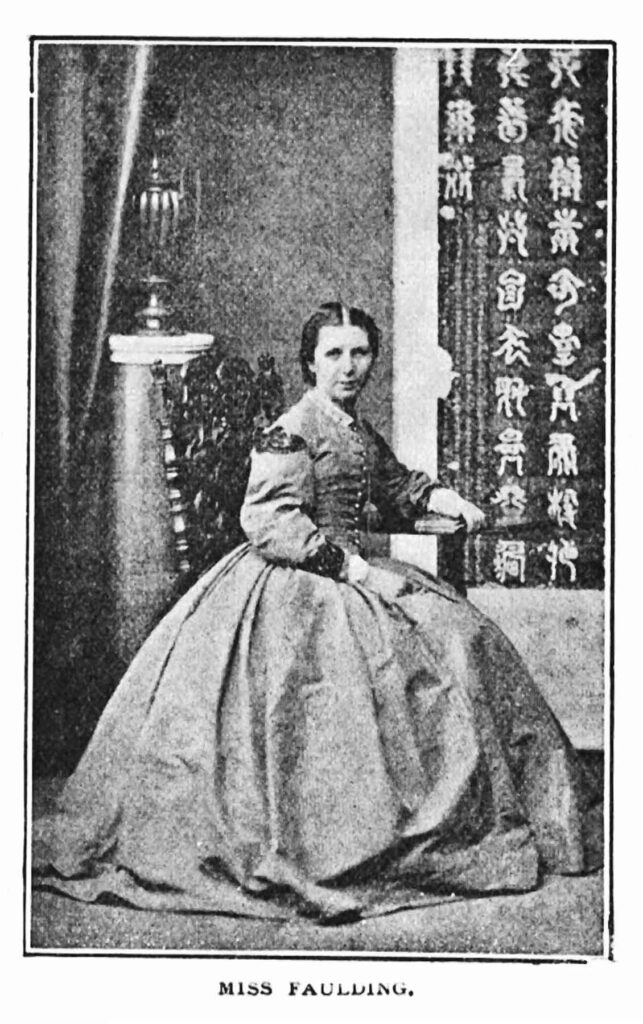
Hudson’s evangelical efforts in England had a significant impact on several members of the renowned cricketing Studd family, leading to the conversion of three brothers who embraced deep religious faith; Charles Studd became a missionary in China alongside fellow Cambridge University converts, collectively known as the Cambridge Seven. Between 1876 and 1878, Taylor journeyed across inland China, establishing mission stations. This endeavor was facilitated by the signing of the Chefoo Convention on 13 September 1876, an agreement between Britain and China that allowed for the legal establishment of missionary work in inland China. In 1878, Jennie returned to China to advocate for female missionary service. Their son, Ernest Hamilton Taylor, who received his education at Monkton Combe School and the Glasgow Institute of Accountants, joined them at the China Inland Mission in 1898, where he dedicated a significant portion of his career to missionary work. By 1881, the CIM had grown to include 100 missionaries. Taylor made a trip back to England in 1883 to recruit additional missionaries, returning to China with a total of 225 missionaries and 59 churches. In 1887, their ranks swelled by another 102 with The Hundred missionaries, and in 1888, Taylor brought 14 missionaries from the United States. During his time in the U.S., he traveled extensively and spoke at numerous venues, including the Niagara Bible Conference, where he formed a friendship with Cyrus Scofield, and he also guest-preached for Dwight L. Moody in Chicago. Following this, Moody and Scofield became active supporters of the China Inland Mission of North America. In 1897, Hudson and Maria’s only surviving daughter, Maria, passed away in Wenzhou, leaving behind four young children and her missionary husband, John Joseph Coulthard. Throughout her brief life, she played a crucial role in guiding many Chinese women to Christianity.
Boxer crisis & Final years
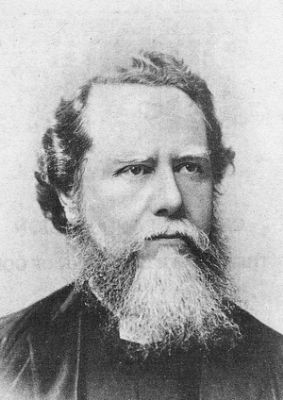
The news regarding the Boxer Rebellion and the subsequent disruption of missionary activities in 1900 caused distress for Taylor, despite it sparking increased interest in missions within the region and further expansion of his China Inland Mission. Although the CIM endured greater losses than any other mission in China, with 58 missionaries and 21 children killed, Taylor chose not to accept compensation for the loss of property or lives, demonstrating the ‘meekness and gentleness of Christ’. While some criticized him for this stance, he received praise from the British Foreign Office, whose minister in Beijing contributed £200 to the CIM, conveying his ‘admiration’ and sympathy. Taylor’s demeanor also resonated with the Chinese people.
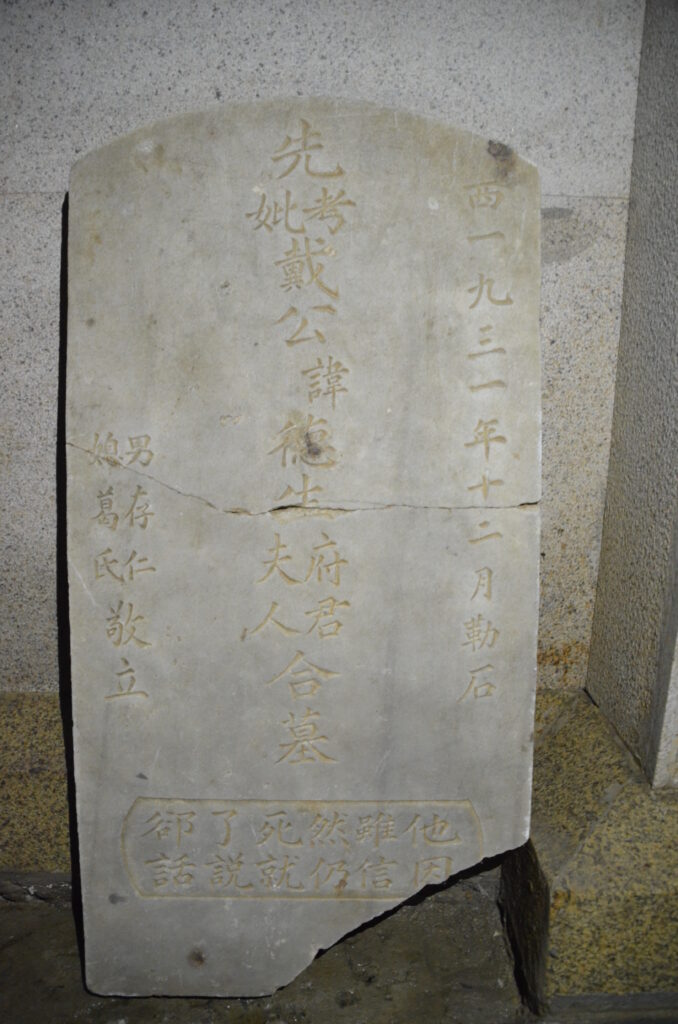
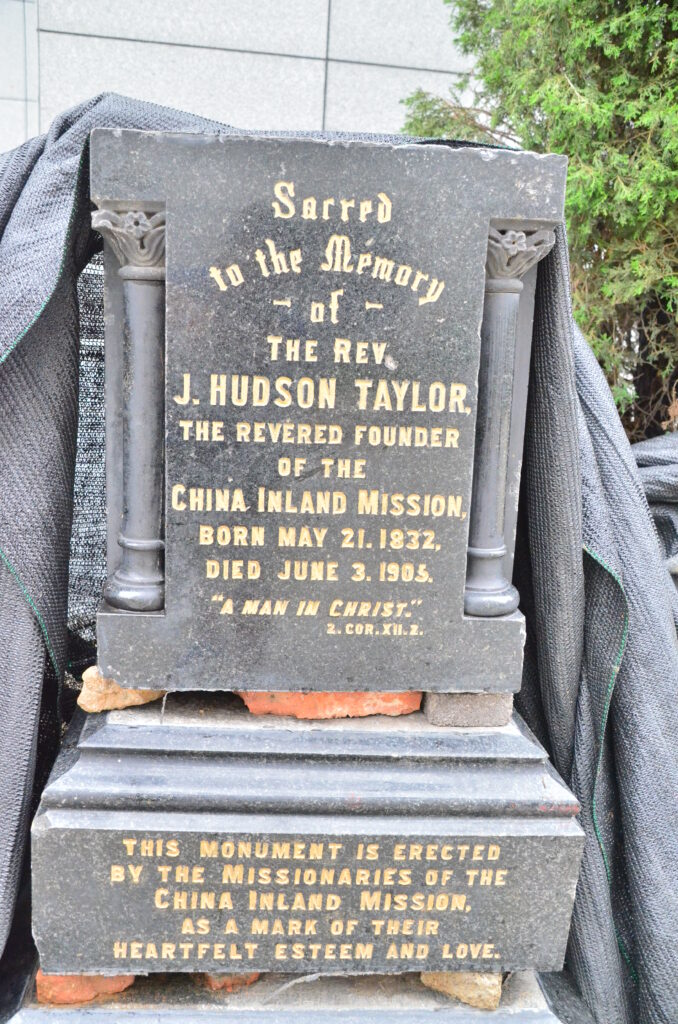
Due to health concerns, Taylor chose to stay in Switzerland and entered semi-retirement alongside his wife. In 1900, Dixon Edward Hoste was designated as the Acting General Director of the CIM, and by 1902, Taylor had officially resigned. Jennie passed away from cancer in 1904 in Les Chevalleyres, Switzerland, and in 1905, Taylor made his eleventh and final trip to China. During this visit, he traveled to Yangzhou, Zhenjiang, and several other cities before he passed away in 1905 while reading at his home in Changsha. He was laid to rest beside his first wife, Maria, in Zhenjiang, at the small English Cemetery near the Yangtze River. This small cemetery was covered with industrial structures in the 1960s, leading to the destruction of the grave markers. Nevertheless, the marker for Hudson Taylor was preserved in a local museum for many years. His great-grandson, James Hudson Taylor III, discovered the marker and assisted a local Chinese church in placing it within their building in 1999.
His tombstone reads:
| Sacred |
| to the memory |
| of |
| the Rev. |
| J. Hudson Taylor, |
| the revered founder |
| of |
| the China Inland Mission. |
| Born 21 May 1832, |
| Died 3 June 1905 |
| “A MAN IN CHRIST” 2 Cor. XII:2 |
| This monument is erected |
| by the missionaries of the China Inland Mission, |
| as a mark of their heartfelt esteem and love. |
In 2013, the cemetery land underwent redevelopment, and the demolition of the old industrial structures uncovered the Taylors’ tombs, which remained undisturbed. On 28 August, the graves were excavated along with the surrounding soil and transported to a nearby church, where they were intended to be reinterred in a memorial garden.
Legacy
The inception of “faith missions”—the practice of sending missionaries without guarantees of financial support, relying instead on prayer to inspire divine action—has significantly influenced evangelical churches to this day. Following his passing, the China Inland Mission achieved the remarkable status of being the largest Protestant mission organization globally. The life stories of Hudson Taylor have motivated countless Christians to emulate his dedication and selflessness. Among those inspired are missionary to India Amy Carmichael, Olympic gold medalist Eric Liddell, twentieth-century missionary and martyr Jim Elliot, Bible Study Fellowship founder Audrey Wetherell Johnson, and renowned evangelists Billy Graham and Luis Palau. Hudson Taylor | Hero Of Faith
The legacy of James Hudson Taylor has persisted into the 21st century, with his descendants continuing his full-time ministry within Chinese communities across East Asia. James Hudson Taylor III (1929–2009) served in Hong Kong, while his son, James Hudson Taylor IV 戴繼宗, married Yeh Min Ke, the first Taiwanese member of the Taylor family, and is actively engaged in full-time ministry in Taiwan. James H. Taylor V has upheld the family tradition by performing with a middle school choir. Hudson Taylor is China Inland Missionregarded as one of the greatest missionaries in history and is recognized as one of the four or five most impactful foreigners to arrive in China during the nineteenth century for any reason, as noted by Kenneth Scott Latourette. Ralph D. Winter stated that James Hudson Taylor made the most significant contribution to the global mission movement in the 19th century. He was ambitious yet humble, biblically grounded without being prejudiced, a devoted follower of Jesus without superficiality, and charismatic without selfishness, according to Arthur F. Glasser. Recently, Chinese tourists have begun to visit his birthplace in Barnsley to explore the roots of their hero, prompting the town to create a trail that directs visitors to significant landmarks.