
Introduction:
The hymn “I Have Decided to Follow Jesus” is sung by millions of Christians worldwide. For almost a century, worship sessions, revivals, and individual testimonies have been influenced by its straightforward yet impactful lyrics, “No going back, no turning back.” Nokseng Garo 19th century India.
However, very few people are aware that the remarkable tale of Nokseng, a Garo tribe member from Northeast India, lies behind this beloved hymn. Christian tradition holds that the words that reverberate in churches today were inspired by his brave faith in the face of persecution and death.
The narrative of Nokseng is more than just an inspirational tale; it is a historical window into early Christian interactions with India’s indigenous tribes, a potent example of martyrdom, and a lasting reminder of the price of discipleship. This thorough biography delves into every aspect of Nokseng’s life, including his upbringing, his family, his conversion, the circumstances surrounding his martyrdom, and the lasting legacy he left behind. Nokseng Garo 19th century India
Who Was Nokseng? Understanding His Tribal and Cultural Roots
The Garo People: A Proud Tribal Heritage
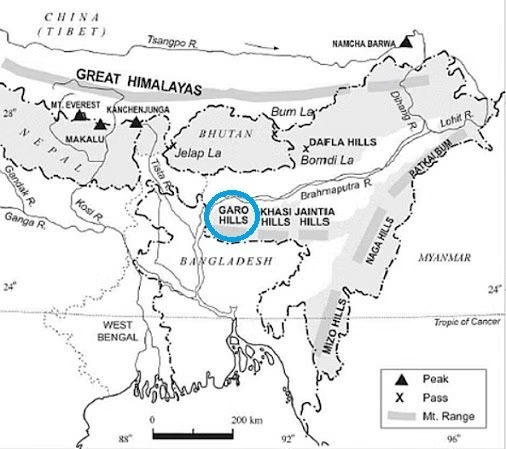
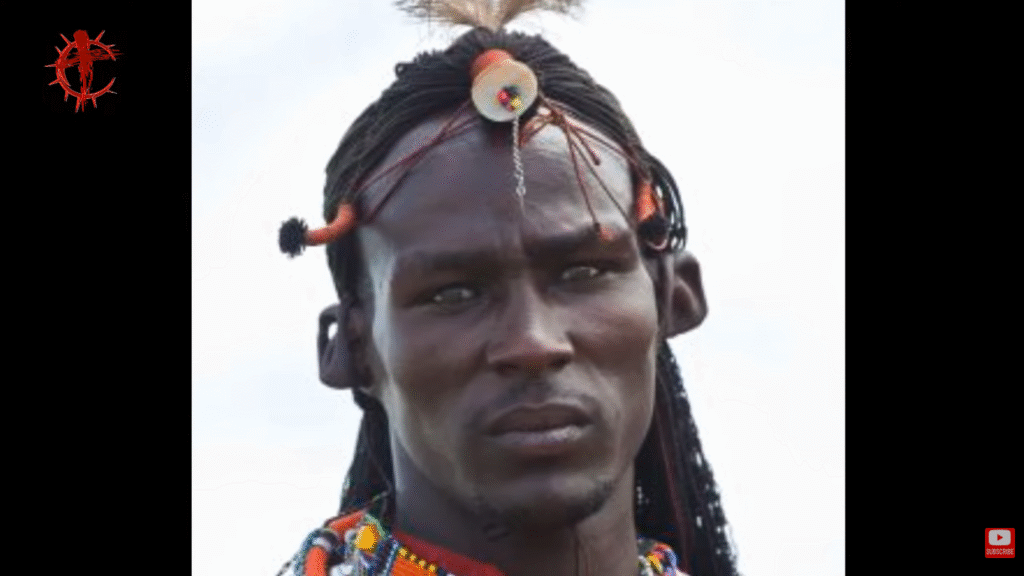
Nokseng was a member of the Garo tribe, one of Northeast India’s largest indigenous groups. The Garos have a long history of rich oral traditions, community living, and a profound reverence for ancestral rituals. They are traditionally found in the Garo Hills, which are now a part of the state of Meghalaya.
The majority of Garos engaged in village-based spiritual rites, animism, and ancestor worship prior to the coming of Christianity. The tribe was renowned for upholding ancient traditions that had been passed down through the years and for having a strong feeling of community. Nokseng biography
Nokseng’s Early Life
Christian tales portray Nokseng as a modest guy who was probably a farmer or hunter by trade, despite the lack of particular birth records, which is typical for tribal societies in the 19th century. He resided in a small Garo village with his wife and two young sons. These settlements had a communal, uncomplicated, and traditional way of life.
Both reports from the missionary era and later Christian retellings mention his name, Nokseng. His part in the traditional narrative is consistent, even though some details differ between versions: he was the first person in his family, and probably even in his village, to convert to Christianity.
The Arrival of Christianity in the Garo Hills
Foreign and Indian Missionaries in Northeast India
Christian missionaries started visiting the Assamese and Garo regions in the middle to late 1800s, especially those from the American Baptist Mission. Preaching the gospel to indigenous people, teaching, and translating were all part of their ministry.
Missionaries travelled through forests and mountains to reach isolated settlements, and the Garos were among the first tribal peoples in Northeast India to be introduced to Christianity.
How Nokseng First Heard the Gospel
Missionary history states that during this time, evangelists arrived in Nokseng’s hamlet. He and his family found great resonance in Jesus Christ’s message of forgiveness, love, and fresh life. Nokseng, his wife, and their two sons chose to become Christians after being moved by the teachings.
His decision to convert was audacious. Adopting a new religion was seen as a betrayal of ancestral identity in some tribal cultures. Village governments frequently put pressure on, shunned, or threatened converts. The majority of Garos engaged in village-based spiritual rites, animism, and ancestor worship prior to the coming of Christianity. The tribe was renowned for upholding ancient traditions that had been passed down through the years and for having a strong feeling of community. Nokseng biography
But Nokseng never wavered in his conviction.
Tension with Tribal Leaders: The Spark of Persecution
1. A Threat to Tribal Authority
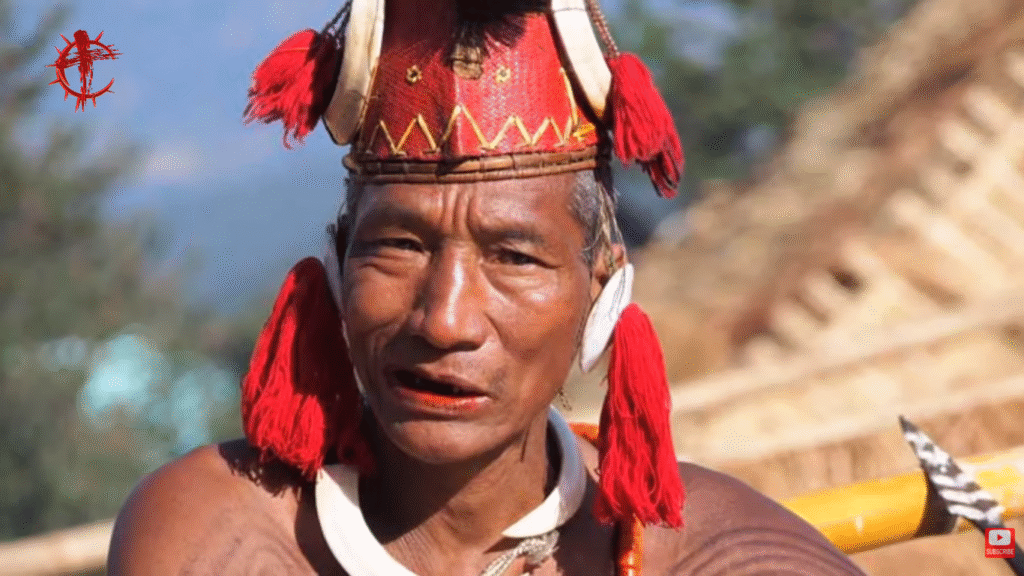
The village leader was furious to hear of Nokseng’s conversion. In addition to being viewed as a foreign religion, Christianity was also perceived as a challenge to established norms. The entire tribal system might be in danger if even one family is permitted to convert.
Nokseng was called in by the chief, who insisted that he publicly reject Christianity.
2. The First Famous Declaration: “I Have Decided to Follow Jesus”
Faced with the chief’s threats, Nokseng boldly replied:
“I have decided to follow Jesus.”
These words—simple yet resolute—would later echo throughout Christian history.
This act of defiance humiliated the leaders and set in motion a series of tragic events. Nokseng Garo 19th century India
The Martyrdom of Nokseng and His Family
The Death of His Children

Enraged by his refusal, the chief ordered archers to kill Nokseng’s two sons. As the boys were executed before their parents’ eyes, the chief again demanded that Nokseng renounce Christ.
Instead, he declared his second unforgettable line:
“Though no one joins me, still I will follow.”
This statement, full of grief yet solid conviction, would later become the second verse of the famous hymn.
The Martyrdom of His Wife
The chief, unfazed, had Nokseng’s wife put to death next. She also declined to give up her new faith. Another event that profoundly affected the community was her passing.
Nokseng remained steadfast despite an intolerable loss.
His Final Declaration and Death
With his entire family gone, the chief gave Nokseng one final chance. Instead, Nokseng proclaimed:
“The world behind me, the cross before me.”
These became the third powerful line of the future hymn.
With that, the chief ordered Nokseng’s execution. He was killed on the spot—but his death sparked something no one expected. Nokseng Garo 19th century India
Aftermath: A Movement Begins in Nokseng’s Village
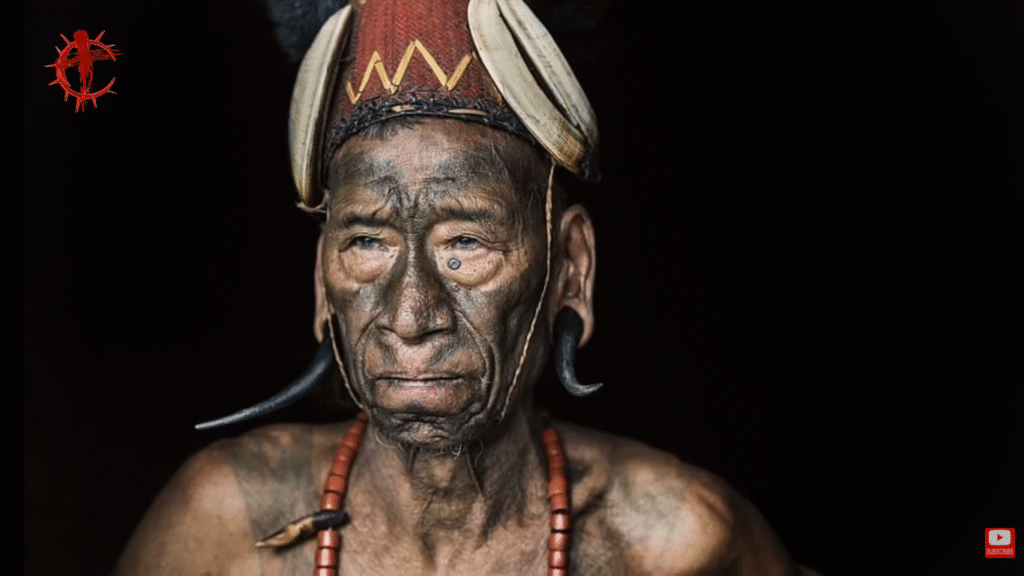
The chief, stunned by the unwavering faith and dignity of the family he had just executed, began to question his own beliefs. According to Christian tradition, he confessed to his advisers:
“Why should this man and his family die for a faith that is not their own? Why did they not fear death? There must be truth in this foreigner’s God.”
The chief reportedly converted to Christianity after being deeply moved, and many other villagers followed suit. As a result, a greater spiritual movement in the area began with the martyrdom of one family.
The message is unmistakable whether it is understood chronologically or symbolically: a single family’s faith changed a whole town.
The Hymn: How Nokseng’s Words Became a Global Anthem
A Song Rooted in the Soil of Assam
Through missionary storytelling and prayer meetings, Nokseng’s words were preserved. Indian Christian missionaries eventually started presenting these lines as a hymn. Nokseng Garo 19th century India
The hymn’s melody is derived from an Assamese folk song that is now referred to in hymnals as “Assam.”

Global Spread Through Missionaries and Revivals
In the mid-20th century, the hymn reached Western churches after being included in collections by hymn editor William J. Reynolds.
From there, it travelled around the world, becoming a staple in:
- revivals
- baptisms
- altar calls
- Christian festivals
- youth conferences
- gospel music recordings
Today, it is sung in dozens of languages and known by millions of Christians.
Legacy: Why Nokseng’s Story Still Inspires the World
A Symbol of Courage and Conviction
Nokseng stands as an example of humility, faith, and extraordinary courage. His willingness to stand firm even as his family was taken from him illustrates the highest cost of discipleship.
A Bridge Between Cultures
His story shows how Christianity took root not through force, but through conviction and sacrifice—blending with Garo identity in a way that transformed generations.
An Inspiration for Tribal Christians
Among Garo Christians and many tribes of Northeast India, Nokseng’s story serves as a spiritual anchor—a reminder of how early believers paved the way for today’s thriving Christian communities.
A Global Hymn That Keeps His Memory Alive
Every time “I Have Decided to Follow Jesus” is sung, the memory of Nokseng lives on. His story, whether historical or symbolic, continues to inspire hearts in Asia, Africa, Europe, and the Americas. Nokseng Garo 19th century India
Conclusion: The Enduring Power of One Man’s Faith
The tale of Nokseng serves as a reminder that even in a little village in the hills of Northeast India, faith can thrive. His life and martyrdom demonstrate how one choice may have an impact across continents and centuries.
Whether viewed as documented history or cherished tradition, the message remains powerful:
- Courage in the face of persecution
- Love stronger than fear
- Faith that transforms communities
- A legacy that continues to echo in a global hymn
Nokseng may have lived more than a hundred years ago, but his testimony—“No turning back”—continues to challenge and inspire the world today.