Introduction
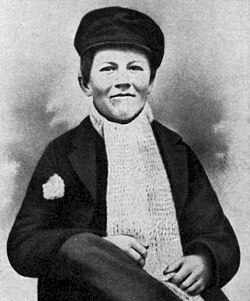
Thomas Alva Edison 1847 – 1931 , was one of the greatest inventors and innovators in human history. Known as “The Wizard of Menlo Park”, Edison transformed the modern world through his inventions in electricity, sound recording, motion pictures, and industrial research. His life story is an inspiring example of curiosity, hard work, perseverance, and creativity.
This article provides a complete SEO-friendly biography of Thomas Alva Edison, covering his childhood life, school life, spiritual beliefs, major inventions, achievements, and legacy.
Early Life and Childhood of Thomas Alva Edison
Thomas Alva Edison was born on February 11, 1847, in Milan, Ohio, United States. He was the youngest of seven children in his family. His father, Samuel Edison Jr., was a businessman, while his mother, Nancy Elliott Edison, was a former schoolteacher.
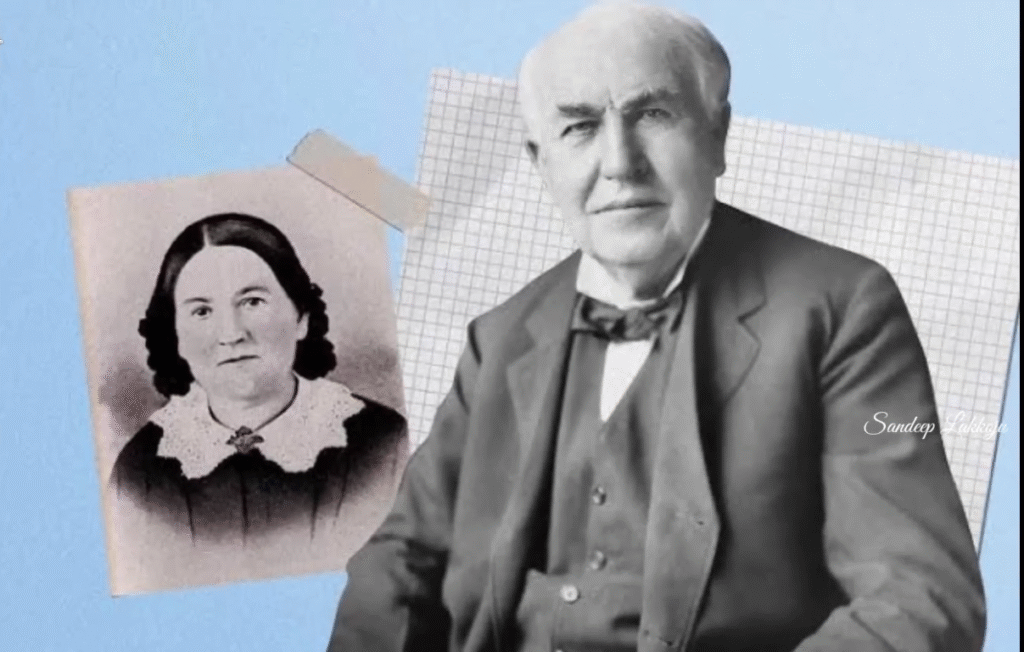
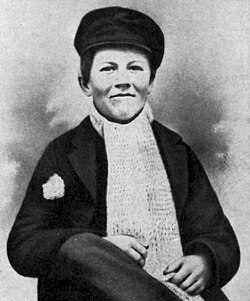
From early childhood, Edison showed a strong interest in learning and experimentation. He was extremely curious and loved asking questions about how things worked. Unlike other children, Edison preferred reading books and conducting small experiments at home rather than playing traditional games.
At a young age, Edison suffered from illnesses such as scarlet fever, which caused partial hearing loss. Despite this challenge, he never allowed his disability to limit his ambitions. In fact, Edison later said that his hearing problem helped him concentrate better on his work. Thomas Alva Edison
School Life and Education
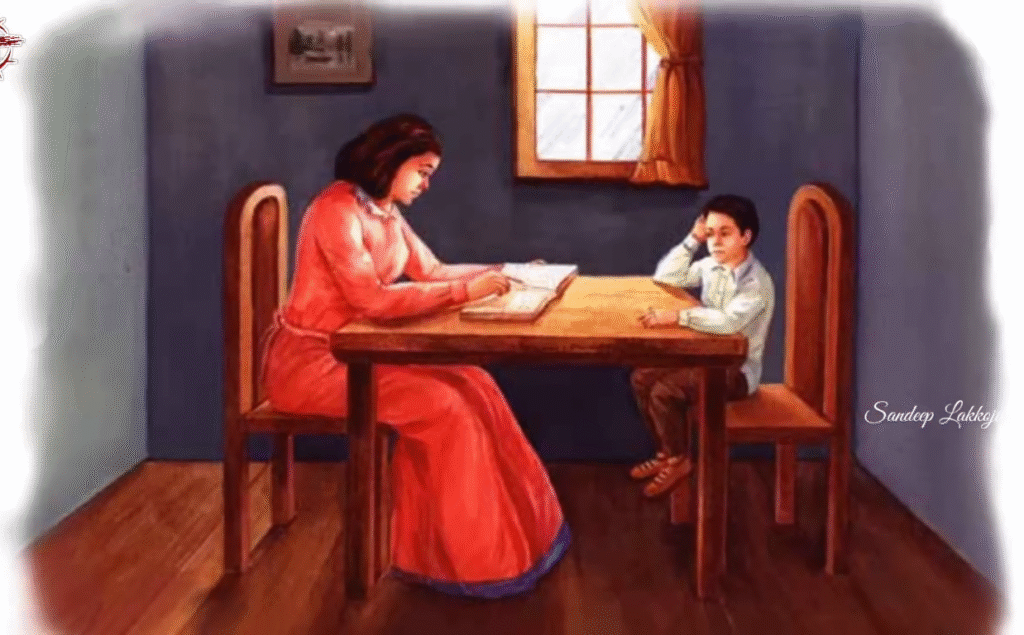
Thomas Edison’s formal school life was very short. He attended school for only a few months because his teachers believed he was slow and unable to learn. One teacher even described him as “mentally dull,” which deeply upset his mother.
Recognizing her son’s potential, Nancy Edison removed him from school and began educating him at home. This decision changed Edison’s life forever.
At home:
- He learned reading, writing, and arithmetic
- He studied science, history, and literature
- He was encouraged to think independently and creatively
Edison became a self-educated learner, reading books on chemistry, electricity, and mechanics. His mother’s encouragement played a crucial role in shaping his confidence and intellectual growth. Thomas Alva Edison 1847 – 1931
Teenage Life and Early Career
At the age of 12, Thomas Edison began working as a newspaper seller on trains running between Port Huron and Detroit. During this time, he showed early signs of entrepreneurship by selling newspapers, snacks, and candies.
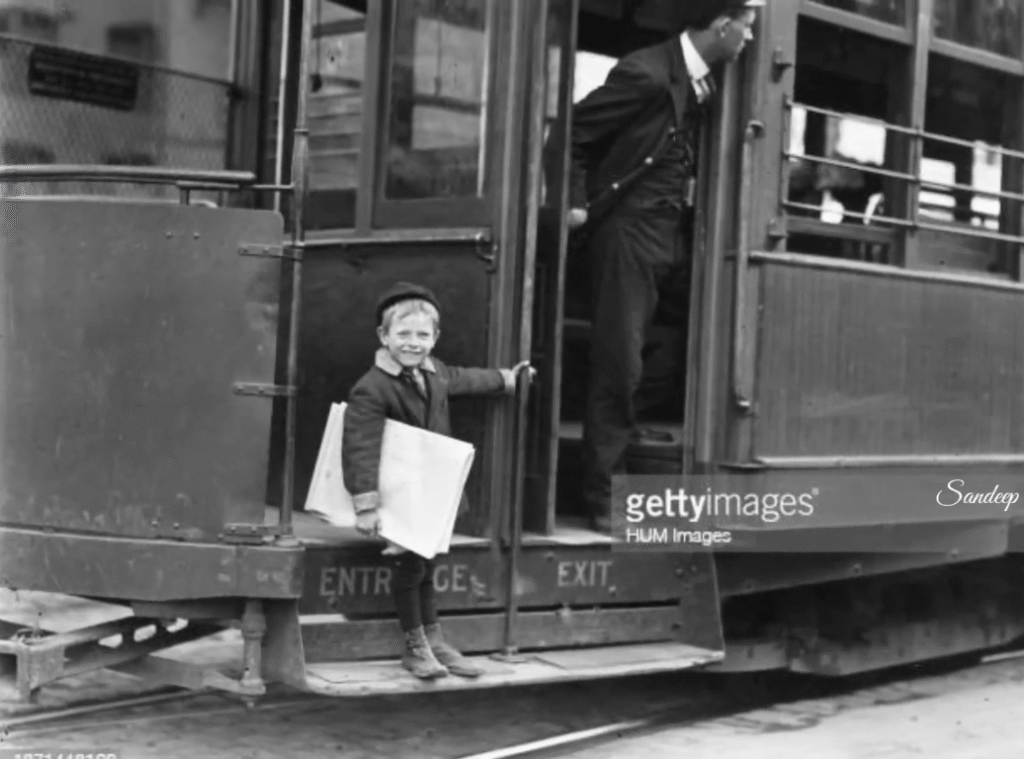
Edison even set up a small laboratory in a train baggage car, where he conducted experiments and published a newspaper called The Grand Trunk Herald.
Later, Edison learned telegraphy, which became his first professional skill. He worked as a telegraph operator in several cities, gaining valuable technical experience that helped shape his future inventions.
Major Inventions of Thomas Alva Edison
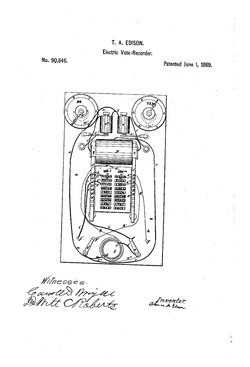
Thomas Edison is credited with over 1,093 U.S. patents, making him one of the most prolific inventors in history.
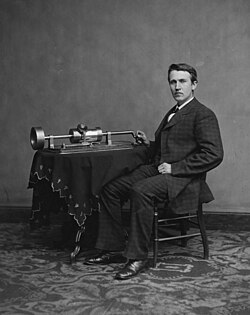
1. Phonograph (1877)
The phonograph was Edison’s first major invention and made him world-famous. It was the first device capable of recording and playing sound, revolutionizing music and communication.
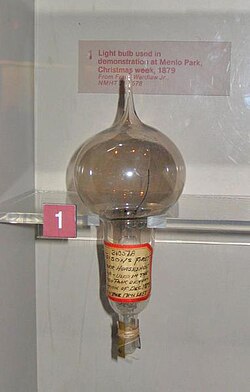
2. Electric Light Bulb (1879)
Although Edison did not invent the first light bulb, he created the first practical and long-lasting incandescent electric bulb. His work made electric lighting affordable and accessible for homes and businesses.
3. Electric Power Distribution System
Edison developed a complete system for generating and distributing electricity, leading to the world’s first electric power station in New York City.
4. Motion Picture Technology
Edison and his team invented early motion picture cameras and viewing devices, laying the foundation for the film and entertainment industry.
5. Improvements in Telegraph and Telephone
Edison improved telegraph systems and developed better telephone transmitters, significantly advancing communication technology. Thomas Alva Edison 1847 – 1931
Thomas Edison’s Research Laboratory
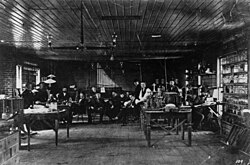
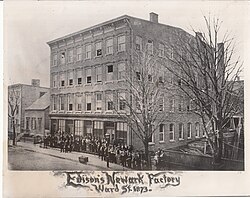
One of Edison’s greatest contributions was the creation of the first industrial research laboratory at Menlo Park, New Jersey. This laboratory introduced a new model of invention team-based research and systematic experimentation, which is still used today in modern research institutions.
Achievements and Legacy
- Held 1,093 patents in the United States
- Created industries related to electricity, sound recording, and motion pictures
- Changed everyday life through practical inventions
- Established the foundation of modern research and development
Thomas Edison’s inventions continue to influence the modern world, from lighting homes to recording sound and producing movies. Thomas Alva Edison 1847 – 1931
Later Life and Death
Thomas Edison continued inventing well into old age. He passed away on October 18, 1931, in West Orange, New Jersey, at the age of 84. His death was mourned worldwide, and lights across many cities were dimmed in his honour.
Conclusion
Thomas Alva Edison’s life is a powerful story of determination, innovation, and self-belief. From a child dismissed by teachers to one of the greatest inventors of all time, Edison proved that curiosity and perseverance matter more than formal education.
His legacy lives on in every electric light, sound recording, and technological advancement that shapes our modern world. Thomas Alva Edison 1847 – 1931