Introduction: A Woman with a Purpose Beyond Borders
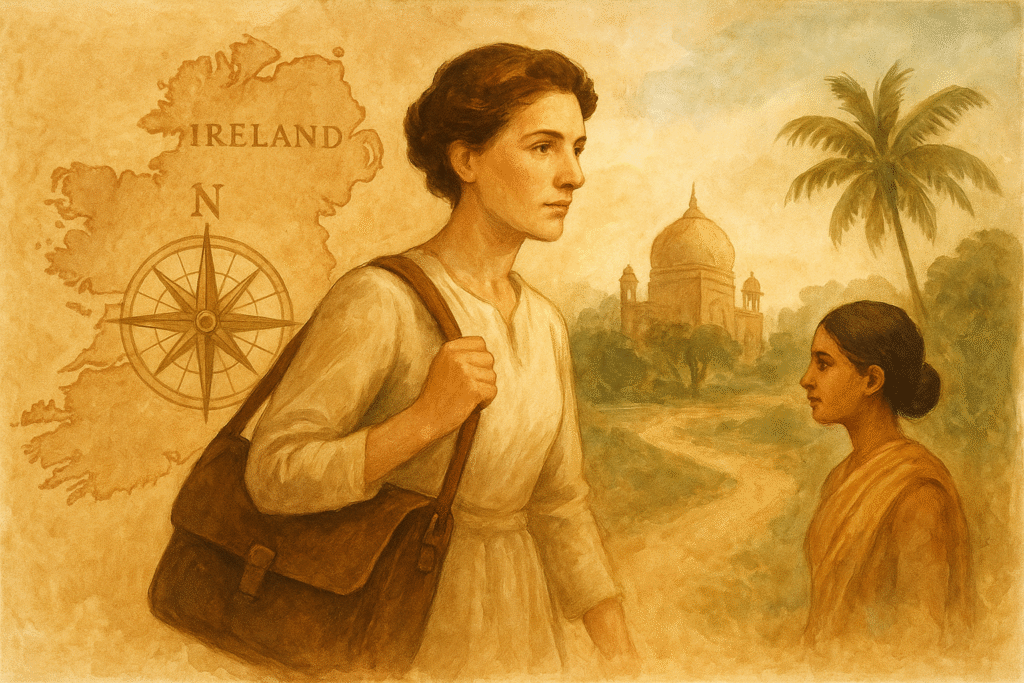
Amy Beatrice Carmichael (1867-1951) was not your typical late 19th-century woman. She was born in the tiny Northern Irish village of Millisle in 1867, and she had a steadfast sense of purpose that seemed to outweigh life itself. Amy’s heart ached for something deeper than the conventional expectations of marriage, motherhood, and household chores that many women of her time were bound by: serving God by serving others. Her narrative is about more than simply missionary work; it’s about bravery, empathy, and an unwavering faith in the ability of love to transcend social, cultural, and spiritual boundaries.
Amy Carmichael’s life was a symphony of faith in action, from her early years in Belfast to her passing in southern India. She lived love, frequently at tremendous personal expense, rather than just preaching about it or talking about it. Her story is extraordinary not only because of what she achieved but also because of how she did it without much fanfare, without the comforts of contemporary life, and without ever going home for more than 55 years.
Fighting against the exploitation of young girls in India’s temple prostitution industry, one of the most tragic social concerns of her era, was at the core of her purpose. Let’s go back to the beginning of her life before delving into that particular chapter, though, as every remarkable journey has a common beginning.
Early Life: From Millisle to Missionary Dreams
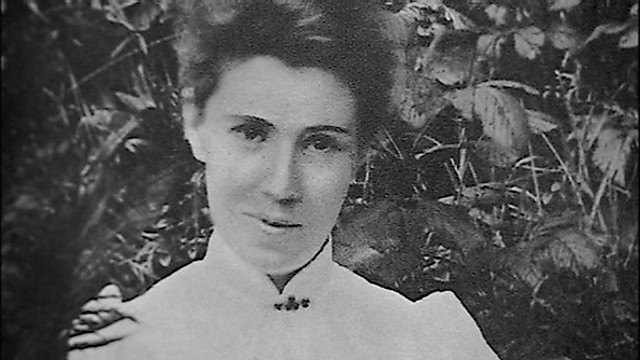
Amy Beatrice Carmichael was born on December 16, 1867, into a pious Presbyterian family. She was the oldest of seven children. Her mother, Catherine, was a devout woman, and her father, David Carmichael, owned a mill. After David’s business faltered and he died when Amy was still a small girl, the Carmichaels’ comfortable life took a sudden turn. This tragedy was a turning point that moulded Amy’s fortitude and reliance on God’s power.
Amy was well-known as a child for her feisty temper, spirit of adventure, and unquenchable curiosity. She reportedly asked God to turn her blue eyes brown so she would resemble the people she wanted to aid in the future. It may have sounded like a child’s innocent request, but it hinted at her lifelong desire to relate to, rather than be superior to, the people she served.
After hearing Hudson Taylor, the well-known founder of the China Inland Mission, talk on faith and sacrifice, Amy experienced her first spiritual awakening. She became convinced that God was calling her to serve as a missionary after that encounter. But Amy’s journey was anything but simple. She initially started aiding the “shawlies”, or impoverished women, who worked in mills and couldn’t afford hats, instead wearing shawls over their heads. Her compassion wasn’t confined by class or culture; it was boundless.
Amy’s lifelong pattern of seeing a need and meeting it without hesitation began with this mission. She saw opportunity where others saw despair. She rolled up her sleeves when society ignored it. Soon after, this modest deed of kindness sparked a greater one: a heavenly compulsion to abandon everything comfortable.
The Call to India: Following the Voice of Faith
Many doors were closed at the start of Amy Carmichael’s missionary trip. She first attempted to serve in China, Japan, and even Ceylon, which is now Sri Lanka, but was unable to do so due to health concerns. Amy wasn’t wired that way, but many could have interpreted this as a message to give up. She agreed to travel to India in 1895 as part of the Church of England Zenana Missionary Society. She could not have imagined what was waiting for her there.
For Western missionaries, India was both beautiful and confusing due to its many different religions, languages, and cultural practices. Amy, however, adjusted with amazing grace. Amy did something revolutionary in contrast to the majority of missionaries of her era, who wore Western clothing and had a colonial mindset: she wore a sari, darkened her complexion with coffee, and lived like the local people. Her goal was not to convert India to Western culture but to show the love of Christ through identification and humility.
She soon started to see a troubling truth that few outsiders cared to address: teenage girls were frequently exploited in Hindu temples under the pretence of doing religious duties. These “temple children” were caught in a vicious cycle of humiliation and torture. After Amy found out about their predicament, there was no going back.
She started saving these kids, putting her life in danger, and giving them a home at what is now known as Dohnavur Fellowship, a haven of love, safety, and education. It was established in Tamil Nadu in 1901 and would go on to become her greatest legacy.
The Dohnavur (Tamil Nadu) Fellowship: A Haven of Hope
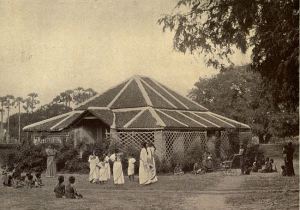
The Dohnavur Fellowship was a movement rather than merely a mission. Amy had an idea for a self-sufficient village where rescued kids may recover spiritually, emotionally, and physically. Dohnavur was operated like a family rather than an institution, in contrast to other orphanages of the era. Each child called Amy “Amma”, which translates to “mother” in Tamil.
She took a proactive attitude. She placed a strong emphasis on education that prepared kids to succeed in their own communities, local leadership, and respect for Indian culture. Because she felt that children needed stability and belonging rather than being uprooted, she refused to place them for adoption.
The Fellowship expanded quickly, housing hundreds of children by the 1930s and adding schools, hospitals, and vocational programmes. Later, the Dohnavur model would impact contemporary methods of cross-cultural ministry and child welfare.
Amy had a unique approach to leadership. She possessed a combination of bravery and compassion, both soft and tough. She once remarked, “You cannot love without giving, but you may give without loving.” And she gave—her whole life, her time, her health, her comfort.
Trials, Challenges, and an Unshakable Faith
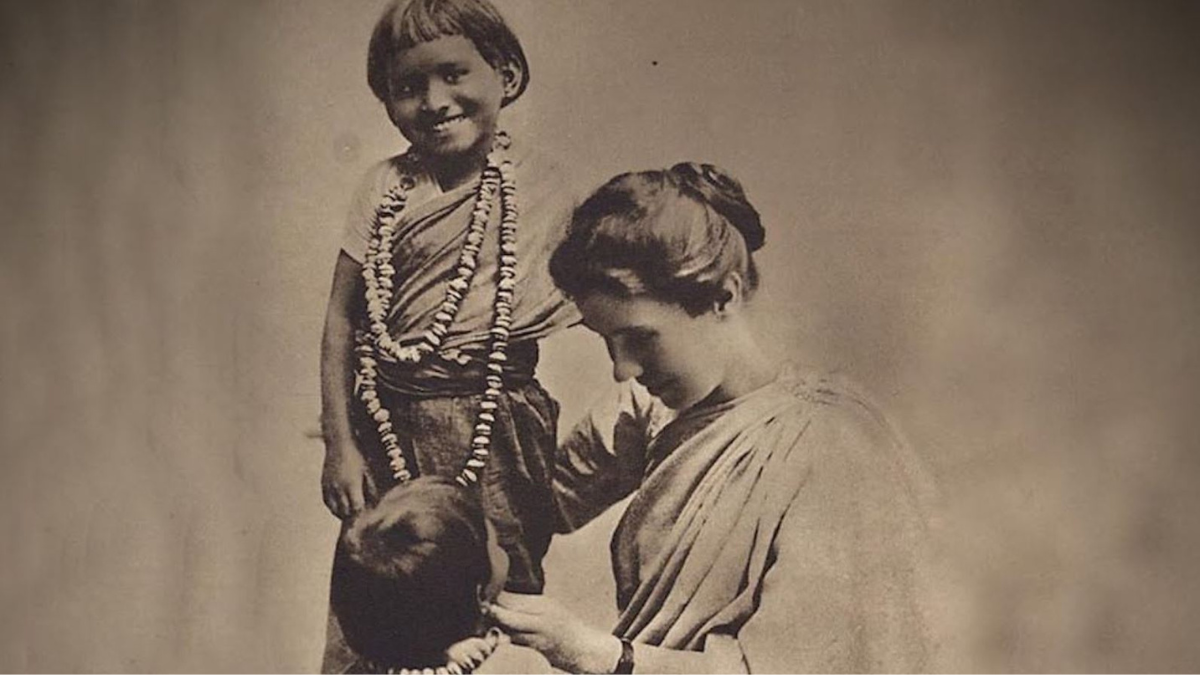
It wasn’t all sunshine and saris in Dohnavur. Amy encountered strong criticism from colonial officials, temple authorities, and even fellow missionaries who questioned her strategies. Despite being charged with cultural insensitivity and possibly kidnapping, she refused to back down. Her guiding concept was not popularity but faithfulness to God. Child rescue work
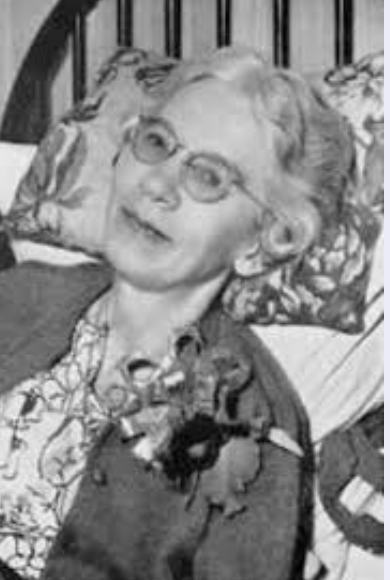
Her health also declined significantly. She spent the last 20 years of her life in bed after a fall in 1931. Even so, Amy wrote a great deal while she was in bed, creating more than 35 books, innumerable letters, and devotional writings that still motivate people today.
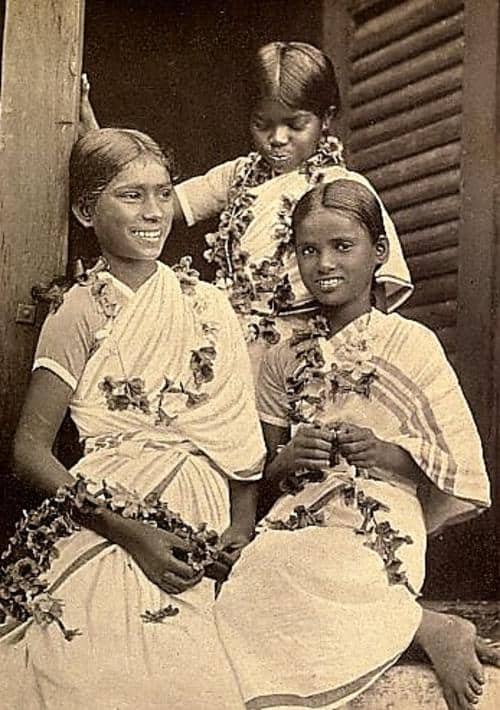
Amy frequently discussed hardship in her writings as a way to partake in Christ’s love. Pain was a necessary component of the refining process, not something she romanticised. Physical constraints cannot hold a soul dedicated to a greater goal, as demonstrated by her perseverance in the face of hardship. Child rescue work
Legacy and Impact: A Life That Still Speaks
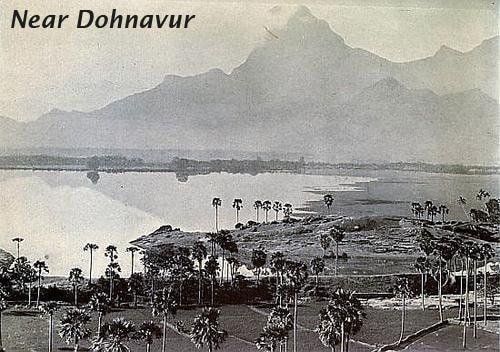
When Amy Carmichael died in 1951, she didn’t want a gravestone. Rather, a plain birdbath bearing the name “Amma” was positioned over her final resting spot. A more appropriate homage to a woman whose motherhood went beyond biology and culture is difficult to come up with.
Her humanitarian work is still carried out today by the Dohnavur Fellowship. Her works, including “Things As They Are”, “If”, and “Gold Cord”, remain timeless spiritual masterpieces that touch on the core of everlasting faith and unselfish service.
Generations of missionaries, social reformers, and believers worldwide have been impacted by Amy’s life. More moral and sympathetic approaches to international missions were made possible by her example of cultural sensitivity, community empowerment, and tenacious defence of the weak.
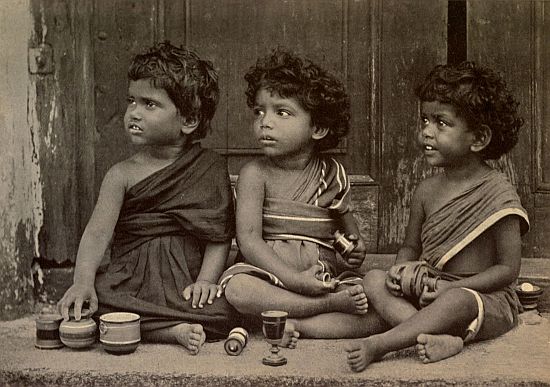
Amy’s story serves as a reminder that the most impactful lives are frequently led in the quiet, in the shadow of sacrifice and love, in a society that is fixated on celebrity and notoriety. Child rescue work
Conclusion: The Legacy of Love That Never Fades
The narrative of Amy Carmichael is about the transformational power of love, not merely missionary heroism. She transformed India one child at a time, with open arms and an unwavering heart, rather than using doctrines or systems. Child rescue work Her bravery forces us to examine our own lives and consider what we would be prepared to give up for love.
“One cannot love without giving, but one can give without loving,” she once wrote.
Her greatest message is still that straightforward truth.